Introduction
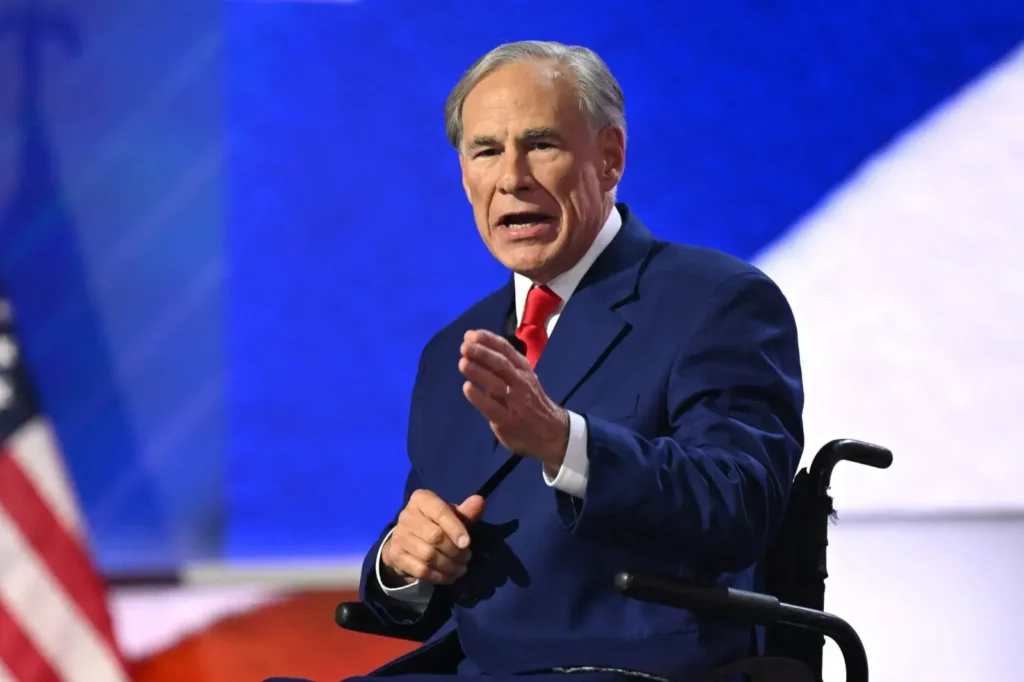
Governor Greg Abbott’s November 9, 2025, reelection campaign launch sent shockwaves across Texas. His bold promise: to end school property taxes entirely and give voters the final say on any future tax increases. For many homeowners burdened by rising bills, it’s a headline that sparks both hope and hard questions. What would this mean for school funding, and how could it change the system for abolishing school property taxes in Texas as we know it?
Abbott’s Campaign Message
Abbott’s pledge centers on a sweeping reform removing school property taxes from the state’s funding model and replacing them with a system that requires voter approval for any new or adjusted tax rates. He argues that Texans should have “direct control” over how much they pay, saying the current system leaves homeowners powerless against continuous valuation hikes and district tax rate decisions.
If implemented, this change would likely require a constitutional amendment, making it one of the most significant reforms aimed at abolishing school property taxes in modern Texas history.
Potential Impacts on Homeowners
For homeowners, abolishing school property taxes could dramatically reduce annual tax bills since school districts currently account for 40% to 50% of total property taxes in many areas. However, the details matter:
- Funding Replacement: Lawmakers would need a stable revenue alternative to ensure public schools remain funded.
- Implementation Timeline: Even if passed, phasing out school taxes could take several years.
- Local Control: Cities and counties could still levy taxes for other services, so total relief would vary.
Abbott’s team suggests shifting more school funding to the state level, using sales taxes or surplus revenues to fill the gap, a proposal that will likely draw debate during the 2026 legislative session. Abolishing school property taxes in Texas will be at the center of these discussions.
Advocacy and Homeowner Steps
Homeowners can prepare now by staying engaged:
- Track Constitutional Proposals: Watch for bills in early 2026 that outline the legal framework for this reform.
- Join Local Hearings: City and county tax hearings often preview how local budgets might adjust under such a plan.
- Use Protest Tools: Even before broader reforms, protesting overvaluations through TexasPVP can protect you from unnecessary increases.
Conclusion
Governor Abbott’s push to abolish school property taxes could redefine how Texas funds education and how much homeowners pay each year. While it promises major relief, it also raises complex questions about funding, fairness, and control. As debates unfold, staying informed will help homeowners make smart financial and civic decisions involving Texas school property tax abolition.