New Growth, New Costs: What It Means for Homeowners
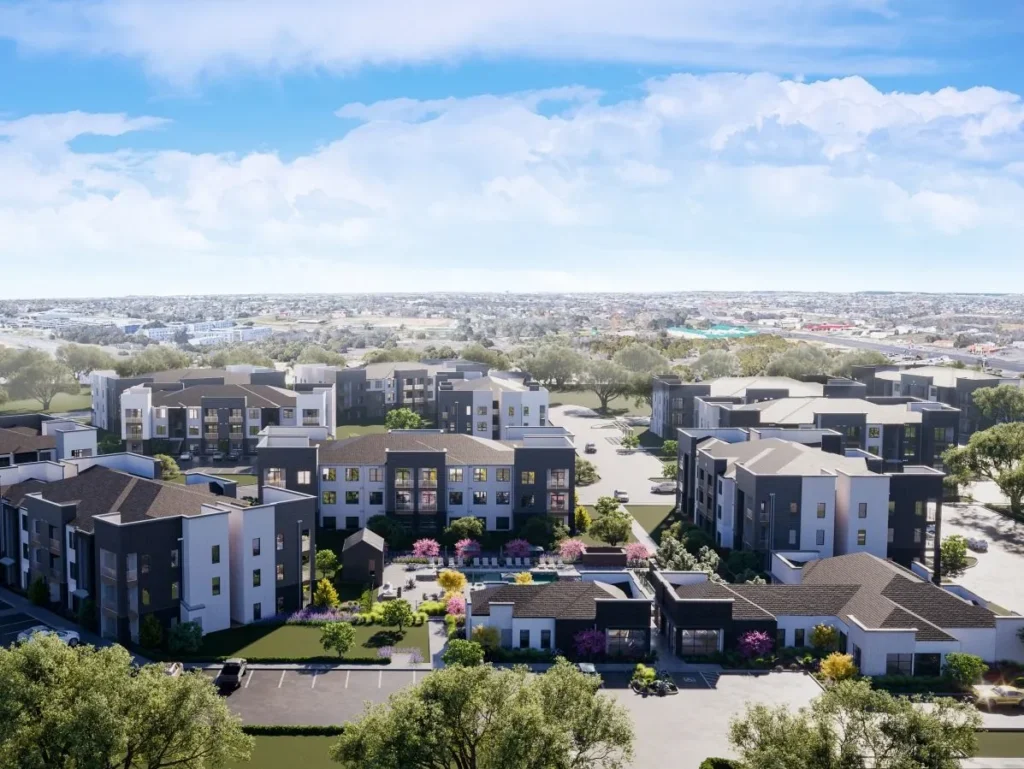
If you live in or near [Texas City], you’ve likely seen it new shopping centers, subdivisions, apartment complexes, and business parks breaking ground seemingly overnight. While this development brings opportunity and boosts the local economy, it also has a hidden cost: rising property taxes related to property tax and development issues. If you’re struggling with this, seeking Texas property tax protest help could be beneficial.
At TexasPVP, we help homeowners protect themselves from unfair tax increases, especially in booming areas affected by property tax and development. In this post, we’ll explain how development affects your property value, how that links to your tax bill, and what you can do to keep it in check.
Development Is a Double-Edged Sword
On the surface, development seems great. New restaurants, parks, road projects, and housing create jobs and make the area more desirable. But all of that growth drives one thing up: land and home values. An important aspect of property tax and development is understanding how your property values increase.
And in Texas, where property taxes are based on your home’s appraised value, this can quickly lead to larger tax bills even if you haven’t done anything to your property.
How Development Raises Your Appraised Value
Here’s how the process works:
- New Homes Sell for More – New builds nearby raise the market comparables used by your appraisal district.
- Improved Amenities Add Appeal – Parks, trails, and shopping centers make your area more desirable, increasing demand.
- Schools Improve – Development often boosts school district funding, which can lead to higher school ratings and higher property values.
- Commercial Growth Raises Land Values – A new corporate campus, shopping plaza, or entertainment venue nearby can bump up area-wide appraisals.
Even if your home hasn’t changed, the comparable sales used to assess your property value likely have, and they’re often much newer or larger.
What This Means for Your Tax Bill
Texas doesn’t have a state income tax, so local governments rely heavily on property taxes to fund schools, police, fire departments, and infrastructure.
As development ramps up, cities and counties adjust budgets upward to maintain roads, utilities, and services. That pressure trickles down in the form of:
- Higher appraised values
- Increased tax rates (in some areas)
- Tighter exemption policies
It’s not uncommon for a homeowner’s property value to jump $40,000 to $100,000 or more after major development hits the area — especially if new homes nearby are priced significantly higher.
Real-Life Example (Customize for Your City)
Let’s say you’re in [Texas City], and a new master-planned community with homes starting at $550,000 opens a few blocks away. Your home, valued at $380,000 last year, might suddenly appraise at $430,000 even though you haven’t remodeled or expanded.
That $50,000 jump could translate to hundreds or even thousands more in annual property taxes.
What You Can Do to Protect Yourself
Even in fast-growing areas, you have the right to question your appraised value and protest it if it’s too high. Here’s how to stay ahead:
✅ 1. Review Your Appraisal Every Year
Compare it to last year’s value and check for sudden jumps that don’t make sense.
✅ 2. Track Nearby Sales
New development sales often don’t reflect your home’s age or size, and those differences can be used in a protest.
✅ 3. Understand Your Rights
Texas law allows homeowners to protest each year, typically within 30 days of receiving their appraisal notice.
✅ 4. Check Exemptions
Make sure your Homestead Exemption (and others, like Over-65 or Disability) are still applied correctly.
✅ 5. Work with a Professional
At TexasPVP, we protest on your behalf, analyzing comps, filing all paperwork, and appearing at hearings when needed. We only get paid if we win a reduction, helping you manage concerns about property tax and development.
Why This Matters Even If You’re Not Selling
Many homeowners assume rising property values are “good news.” But in Texas, unless you’re planning to sell, rising value = rising taxes and that can stretch your budget fast.
With development accelerating in places like Frisco, Celina, Prosper, Pflugerville, Hutto, and Kyle, thousands of homeowners are facing steeper bills simply because their neighborhoods are now “hot markets.” This connection between property tax and development makes it crucial to stay informed.
Final Thoughts: Growth Is Good But Be Tax-Smart
Development brings energy and investment to your community, but it also brings higher tax bills. Being proactive can make all the difference.
At TexasPVP, we help you make sense of your valuation, challenge over-assessments, and save money all while you enjoy your growing city and navigate the complexities of property tax and development.