
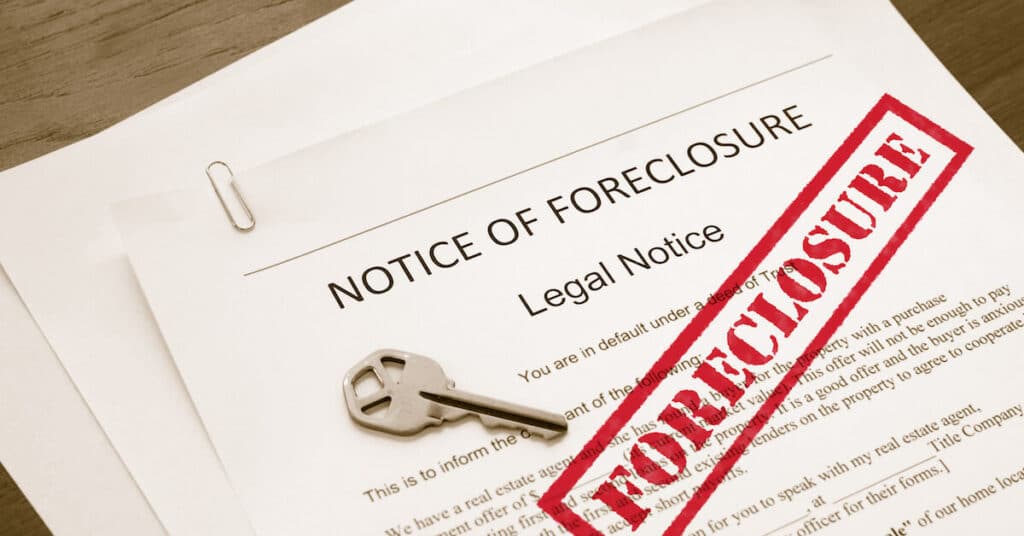
Falling behind on your property taxes in Texas isn’t just a financial inconvenience it can lead to serious consequences, including liens, penalties, and even foreclosure. Understanding how counties manage tax delinquency is key to protecting your investment and staying in good financial standing.
When Do Property Taxes Become Delinquent?
In Texas, property taxes are due on January 31 each year. If payment isn’t received by February 1, the account becomes delinquent. At this point, penalties and interest begin to accrue, and the total amount owed increases every month.
- February 1: 7% penalty and interest are applied.
- Each additional month: Around 2% added in combined penalty and interest.
- July 1: A 20% collection fee may be added if the account is turned over to a delinquent tax attorney.
What Is a Tax Lien?
A tax lien is a legal claim against your property for unpaid taxes. Once your taxes are delinquent, the county automatically places a lien on the property. This lien:
- Stays in place until the full tax bill (plus penalties and fees) is paid.
- Gives the county the right to enforce collection through foreclosure.
- Can complicate refinancing, selling, or transferring ownership of your property.
What Happens If You Don’t Pay?
Counties have the legal authority to pursue several actions:
- Letters and Notices: You’ll receive warning letters about the amount due and the risk of foreclosure.
- Legal Action: The county can file a lawsuit to foreclose on the lien.
- Property Auction: If a judgment is granted, your property may be auctioned to recover the taxes.
Are There Any Options for Delinquent Owners?
Yes, but timing is important. Some options include:
- Payment Plans: Many counties offer installment agreements to help spread out the payment.
- Deferrals for Seniors or Disabled Owners: Qualifying individuals can defer payment without penalties.
- Correction of Errors: If your bill is wrong due to a clerical mistake or incorrect valuation, you may file a correction request.
- Protest for Next Year: While you can’t protest a past due bill, you can reduce future taxes by filing a protest for the current year.
How TexasPVP Helps
TexasPVP helps property owners avoid delinquency before it starts by:
- Reviewing your appraisal notice for potential errors
- Filing timely protests to lower your valuation
- Guiding you through exemption opportunities
- Providing reminders and updates throughout the year
If you’re already behind, we can still help you understand your options and prepare for next year’s tax cycle.
Final Thoughts
Delinquent property taxes aren’t just a temporary setback they can lead to long-term financial damage if not addressed quickly. Staying informed, acting early, and working with experienced professionals like TexasPVP can help you stay ahead of penalties and protect your property.
Questions about your tax status or options? Contact TexasPVP today for expert guidance tailored to your situation.
.