Introduction: Beyond Roads and Schools
When most Texans think about property taxes, schools, roads, and public safety usually come to mind. But what many don’t realize is that Texas property taxes and cultural programs also play a key role in funding arts and cultural programs across the state. From museums and community theaters to public art installations and cultural festivals, these programs enrich neighborhoods, attract visitors, and strengthen community pride. Understanding this connection helps homeowners see the broader impact of their tax dollars.
The Connection Between Property Taxes and Cultural Funding
Property taxes in Texas help fund city and county budgets, which often allocate a portion of revenues toward arts and culture. This funding supports:
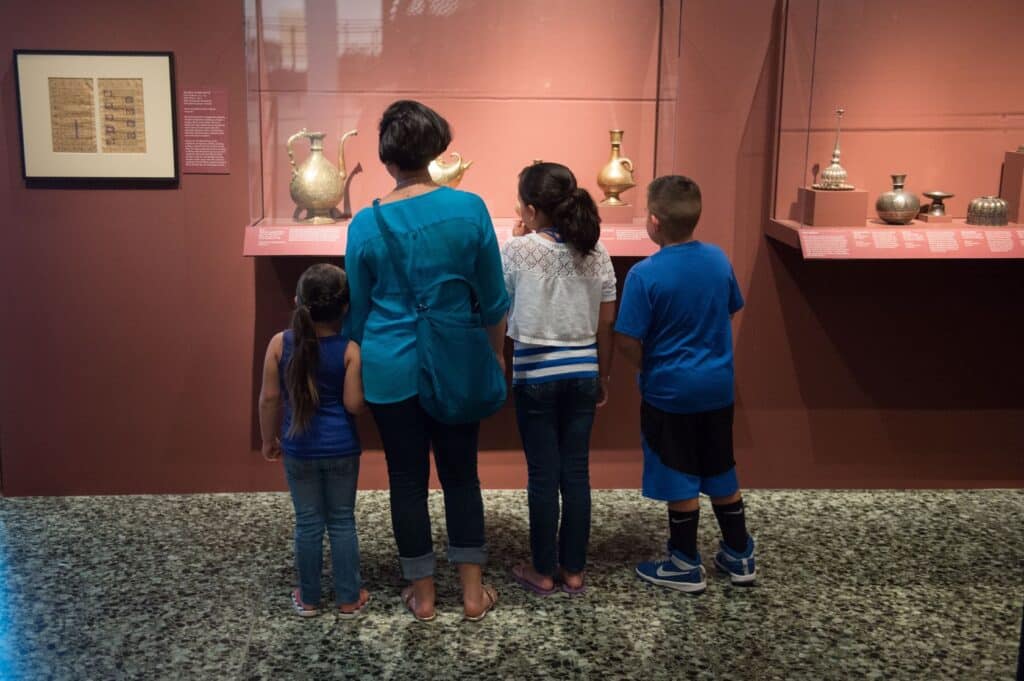
- Local Museums and Historical Centers – Preserving Texas history, heritage, and science for the public.
- Community Theaters and Performing Arts Venues – Providing affordable performances and local talent showcases.
- Public Art Projects – Murals, sculptures, and installations that beautify neighborhoods.
- Cultural Festivals and Events – Celebrations that promote diversity and bring communities together.
Without these funds, many cultural programs, supported by Texas property taxes, would struggle to stay accessible, especially in smaller towns and rural areas.
Why Cultural Programs Matter for Homeowners
While arts funding might seem unrelated to property ownership, the reality is that cultural programs enhance property values and community livability. Here’s how:
- Stronger Community Identity – Public art and cultural events build pride and unity among residents.
- Attracting Visitors and Economic Growth – Museums, theaters, and festivals draw tourism, boosting local businesses.
- Improved Property Values – Homes in culturally vibrant areas often sell faster and at higher prices.
- Educational Benefits – Cultural programs often partner with schools, providing children with hands-on learning.
In short, when communities thrive culturally, homeowners also benefit financially and socially as a result of the Texas property taxes and cultural programs synergy.
How Funding Decisions Are Made
Each city or county determines how much property tax revenue goes toward cultural programs. Funding may come through:
- General Operating Budgets – Cities may set aside a percentage for arts and culture.
- Grants and Matching Funds – Property taxes can unlock state or federal arts funding.
- Partnerships with Nonprofits – Local arts councils often receive partial funding from property tax dollars.
Homeowners who want to influence these decisions can attend public budget hearings, join community advisory boards, or support ballot measures tied to cultural funding. They can help ensure more focus is given to Texas property taxes and cultural programs.
Tips for Homeowners to Advocate for Cultural Funding
If you value arts and culture in your community, here are practical steps you can take:
- Attend city or county budget meetings and voice your support for arts funding.
- Vote in local elections, where cultural initiatives may be on the ballot.
- Support partnerships between schools and arts organizations.
- Encourage local officials to see arts funding as an economic driver, not just an expense.
Conclusion: More Than Just Taxes
Property taxes in Texas aren’t only about funding schools and infrastructure they also shape the cultural heartbeat of communities. By supporting museums, theaters, and public art, these dollars enhance quality of life, strengthen local economies, and enrich daily experiences for homeowners and families.
For Texas property owners, recognizing the role of cultural programs in tax funding offers a broader perspective one where property taxes become not just a burden, but an investment in creativity, history, and community pride through Texas property taxes supporting cultural programs.