Introduction: Why Your Local Park Is More Than Just a Nice View
When you think of your property taxes, you might immediately picture schools or city services. But one essential benefit of those tax dollars often goes unnoticed. That is your local parks and recreation programs. From walking trails and playgrounds to youth sports and community centers, Texas property taxes and parks are closely linked, as property taxes directly support the green spaces and activities. These make neighborhoods more livable, enjoyable, and healthy.
Let’s break down how that funding works, why it matters, and how homeowners like you can get involved. Your involvement ensures those community benefits continue.
How Property Taxes Support Parks and Recreation
In Texas, city and county governments rely heavily on ad valorem taxes (property taxes) to fund a range of public services. This includes public parks. Here’s how:
- Local Allocations: Cities and counties typically set aside a portion of property tax revenue to fund their parks departments. These funds go toward maintenance, staffing, landscaping, and repairs.
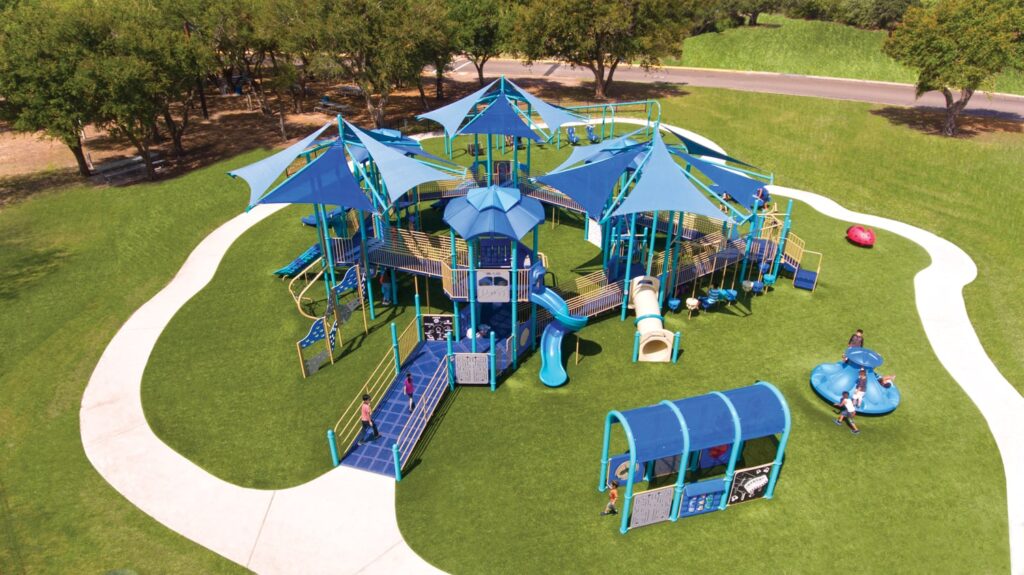
- Capital Improvements: Larger property tax revenues can support capital improvement projects. These include expanding trail systems, upgrading recreational centers, or building splash pads and skate parks.
- Recreation Programs: Summer camps, fitness classes, senior activities, and after-school sports programs are often funded, at least in part, by your local tax dollars.
This means that every time you pay your property tax bill, you’re also investing in spaces. These spaces bring people together and promote wellness in your neighborhood.
Where Does the Money Go?
While the exact percentage of your property tax bill that goes to parks varies by city or county, it’s often clearly outlined in your local budget documents or appraisal district’s tax breakdown. For example:
- In urban areas like Austin or Dallas, parks departments may receive millions annually in taxpayer support.
- In smaller towns, the allocation might be smaller, but still crucial for maintaining public spaces and offering low-cost recreation.
Some communities also create dedicated taxing districts. These include Municipal Utility Districts or Public Improvement Districts. They include park maintenance as part of their responsibilities.
Why Parks and Trails Matter to Homeowners
Your local parks aren’t just places for leisure they also:
✅ Boost property values: Homes near parks tend to have higher appraised values. This can make your investment more attractive.
✅ Promote community health: Parks offer free, accessible options for exercise and mental well-being.
✅ Foster community identity: Events like farmers markets, movie nights, or sports leagues make neighborhoods more connected and family-friendly.
In short, well-maintained parks can enhance your quality of life and even your property’s marketability.
How You Can Advocate for Parks in Your Community
Since park funding comes largely from local tax decisions, residents have the power to shape how those dollars are spent. Here’s how you can take action:
- Attend budget meetings: City councils and county commissioners hold public hearings about spending priorities. Showing up or emailing your input can influence park funding.
- Support bond initiatives: Many cities ask voters to approve bond packages to improve park infrastructure. Stay informed and vote on these proposals.
- Join local boards or committees: Many communities offer volunteer opportunities to sit on park advisory boards or neighborhood associations.
- Report maintenance issues: Keeping your local parks clean and safe helps prevent underfunding due to low usage or complaints.
Final Thoughts: Your Taxes, Your Trails
Whether you’re walking your dog, watching your kids play soccer, or enjoying a quiet sunset on a park bench, remember your Texas property taxes help make that moment possible. By staying informed and involved, you can ensure your tax dollars continue to support the green spaces. These enrich your neighborhood and strengthen your community.