
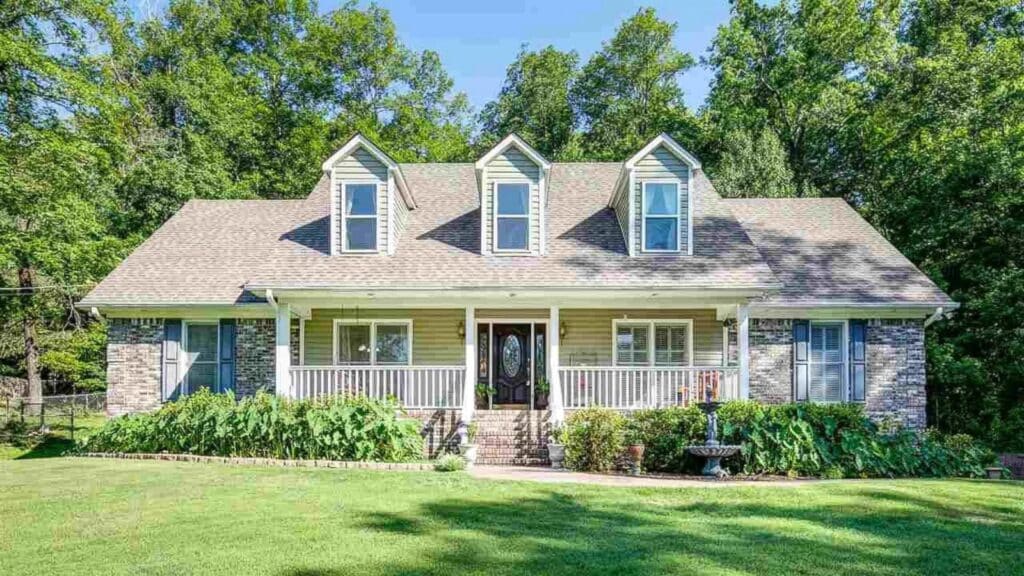
Some states enjoy very low property tax rates. Alabama and Hawaii often top the list, with effective rates as low as 0.27% to 0.5%.
Texas, by contrast, is known for higher property taxes. Yet in 2026, Texas is making real progress on relief. By comparing these systems, homeowners can better understand why Texas taxes look different and how recent changes are helping.
Why Alabama and Hawaii Have Low Property Taxes
States like Alabama and Hawaii rely less on property taxes to fund government services.
Instead, they depend more on:
- State income taxes
- Sales and excise taxes
- Tourism-related revenue (especially in Hawaii)
Because property taxes play a smaller role, homeowners see lower annual bills.
Texas Uses a Different Tax Model
Texas does not collect a state income tax. That choice shifts the funding burden to other sources.
As a result:
- Property taxes fund schools and local services
- Local governments rely heavily on appraisals
- Homeowners feel changes in value more directly
This structure explains why Texas rates appear higher than in many states.
Why Simple Rate Comparisons Can Be Misleading
Looking only at tax rates does not tell the full story.
For example:
- A low rate on a very high home value can still mean a large bill
- A higher rate with strong exemptions can reduce the taxable amount
Focuses more on exemptions and limits rather than ultra-low rates.
Texas Relief Is Catching Up in 2026
Texas lawmakers and voters approved several major relief measures that now take effect.
These include:
- A $140,000 school homestead exemption
- Extra exemptions for seniors and disabled homeowners
- Continued tax rate compression
- A 10% cap on annual homestead value increases
These tools help reduce the taxable value, even when market prices rise.
How This Compares to Low-Tax States
In low-tax states:
- Bills stay low, but relief tools are limited
- Value increases often apply fully
In Texas:
- Rates may be higher
- Exemptions remove large portions of value
- Compression helps slow bill growth
The end result is a narrowing gap between Texas and traditionally low-tax states.
What Texas Homeowners Can Learn
The key lesson is that structure matters more than rates alone.
Texas homeowners benefit most when they:
- Claim every available exemption
- Review appraisal notices early
- Correct errors quickly
- Protest overvaluations when needed
Relief works best when property records are accurate.
Why Active Review Still Matters
Even with strong relief, mistakes can cancel out savings.
Common issues include:
- Missing homestead exemptions
- Incorrect square footage
- Overstated market values
Fixing these errors protects both local and long-term savings.
Final Takeaway for 2026
Alabama and Hawaii show what low property taxes look like when states rely on other revenue sources.
Texas chose a different path. While that means higher reliance on property taxes, new exemptions and compression are easing the burden more than ever in 2026.
The states may differ, but Texas homeowners now have stronger tools to fight back.
TexasPVP helps homeowners make sure those tools work as intended