
Home values continue to rise across the country. In many states, that growth is pushing property tax bills higher year after year, which is why Texas property tax relief is drawing increased attention.
Texas is not immune to rising values. But in 2026, Texas homeowners are in a stronger position than most. New exemptions and tax compression measures are helping offset increases in a way few states can match, resulting in some of the most significant Texas property tax relief efforts seen to date.
Here’s how Texas compares nationally and who really wins in 2026.
Home Values Are Rising Nationwide
Across the U.S., housing prices remain elevated due to limited supply and long-term demand.
As a result:
- Property values increase
- Taxable values rise
- Property tax bills follow
In many states, homeowners see higher bills even when tax rates stay the same.
Why Rising Values Hurt More in Other States
In most states:
- There is no large homestead exemption
- Value caps are limited or temporary
- Relief programs apply only to seniors or low-income households
That means rising home values almost always lead to higher taxes.
For many homeowners, there is little protection.
Texas Takes a Different Approach
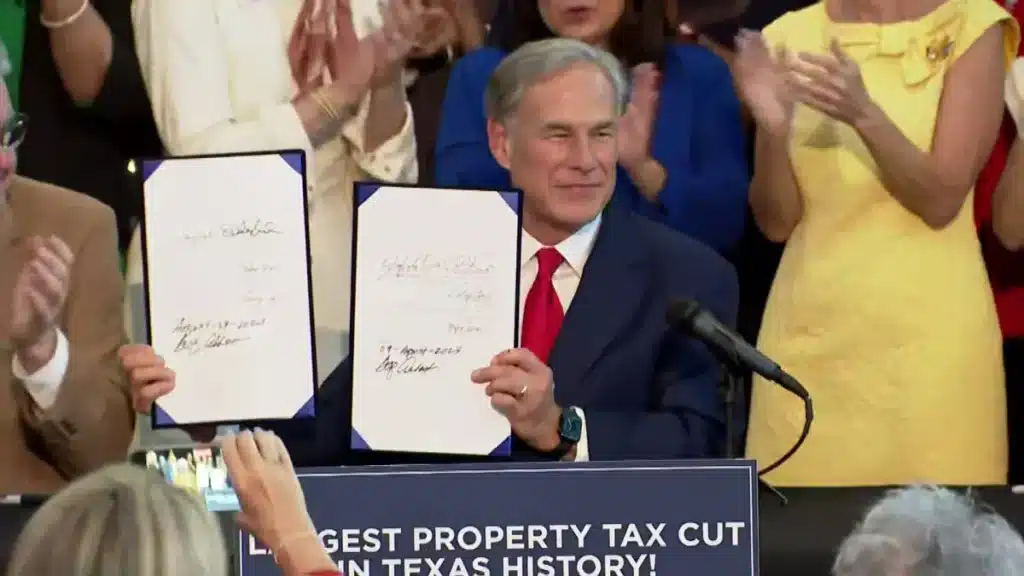
Texas relies heavily on property taxes, but it also provides stronger relief tools than most states. Specifically, Texas property tax relief programs have been expanded to meet these challenges.
In 2026, Texas homeowners benefit from:
- A $140,000 school homestead exemption
- Additional relief for seniors and disabled homeowners
- Ongoing tax rate compression
- A 10% cap on annual value increases for homesteads
These tools help limit how much rising values affect actual tax bills.
How Exemptions Change the Outcome
Exemptions remove a large portion of a home’s value from taxation.
That means:
- A rising market value does not fully translate into higher taxes
- Homeowners keep more predictable bills
- Relief applies every year, not just once
For many Texans, exemptions offset most or all of recent value growth.
Compression Helps Even More
Tax compression reduces school tax rates as state funding increases.
When rates compress:
- Higher values do not increase bills as much
- Tax relief applies automatically
- Homeowners do not need to apply
This combination makes Texas relief stronger than value caps alone. In short, Texas property tax relief in 2026 is more robust than previous years.
A Simple Comparison
In many states:
- Home value rises
- Tax bill rises
- No meaningful offset
In Texas:
- Home value rises
- Exemptions remove taxable value
- Rates compress
- Bill growth slows or stops
Texas homeowners are better protected than most.
Who Wins the Most in 2026?
Texas homeowners benefit the most if they:
- Claim all available exemptions
- Review appraisal notices early
- Address errors quickly
- Protest overvaluations when needed
Relief works best when property records are accurate. Notably, Texas property tax relief depends on accurate exemption records.
Why Reviewing Your Appraisal Still Matters
Even with strong relief, errors can cancel out savings.
Common issues include:
- Missing exemptions
- Incorrect square footage
- Overstated market value
Fixing these issues keeps relief working as intended.
Final Takeaway
Home values are rising nationwide, and many homeowners will pay more in 2026.
Texas homeowners are in a better position. With higher exemptions and continued compression, Texas is pushing back harder than most states.
The key is making sure your relief is applied correctly.
TexasPVP helps homeowners protect their exemptions, challenge overvaluations, and keep tax bills under control — even in a rising market.