
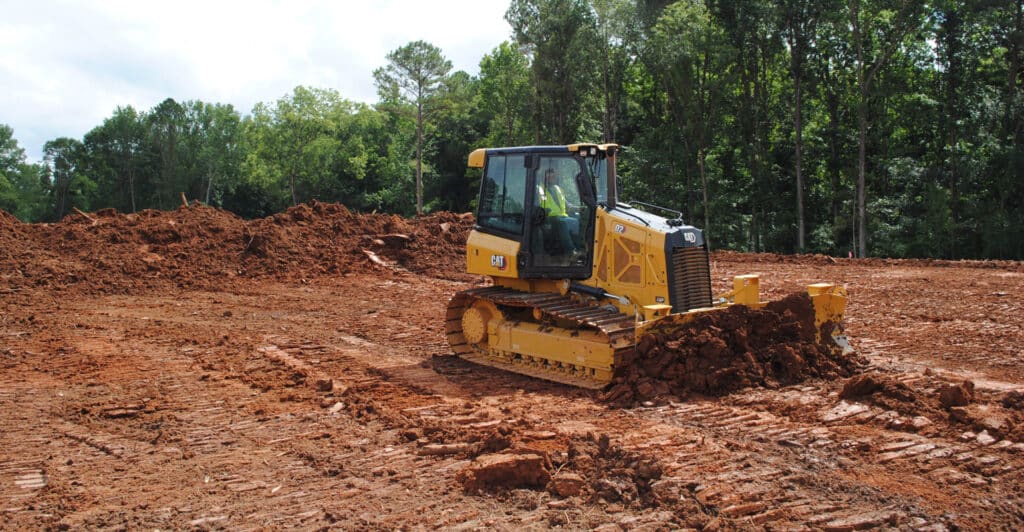
Heavy equipment dealers in Texas now face new reporting requirements.
Beginning in 2026, certain dealers must file quarterly inventory reports instead of relying on annual reporting alone.
This change affects how property taxes are calculated and monitored.
If you sell heavy machinery, construction equipment, or similar inventory, this update may apply to your business.
What Changed?
Under the new rule, qualifying heavy equipment dealers must:
- File inventory reports every quarter
- Report sales and inventory data more frequently
- Submit information directly to the appraisal district
Previously, reporting often occurred annually. Now, districts will review data throughout the year.
The goal is better tracking and improved tax accuracy.
Who Does This Apply To?
This requirement generally applies to dealers who:
- Sell heavy construction equipment
- Maintain high-value rotating inventory
- Operate under special inventory tax rules
If your business qualifies as a heavy equipment dealer under Texas tax law, the quarterly requirement likely applies.
Dealers should confirm details with their appraisal district.
Why the State Made This Change
Heavy equipment inventory can fluctuate significantly.
Sales volumes may change month to month. Inventory levels can shift quickly.
Annual reporting sometimes failed to reflect real-time activity.
Quarterly reporting increases oversight. It also reduces reporting gaps.
More frequent reporting helps appraisal districts calculate inventory values more accurately.
How Inventory Taxes Work
Texas taxes dealer inventory differently from typical business personal property.
Dealers often pay inventory tax based on prior sales activity.
The formula considers:
- Monthly sales
- Inventory turnover
- Total taxable value
Because sales drive the calculation, accurate reporting is critical.
What Dealers Should Do Now
If you operate a heavy equipment dealership:
- Review the new reporting timeline
- Confirm filing deadlines with your appraisal district
- Update internal accounting processes
- Coordinate with your CPA or tax advisor
Late or inaccurate reporting can lead to penalties.
Staying organized reduces risk.
Common Compliance Risks
Dealers may face issues such as:
- Missing quarterly deadlines
- Reporting incomplete sales data
- Misclassifying equipment
- Failing to reconcile inventory records
Small reporting errors can create valuation problems.
Proactive compliance protects your business.
Does This Increase Your Tax Bill?
Not automatically.
The new rule does not create a new tax.
Instead, it increases reporting frequency.
However, better oversight can lead to more precise valuations.
Accurate reporting ensures you pay the correct amount, not more and not less.
Why This Matters in 2026
Texas continues to modernize property tax compliance.
Quarterly reporting reflects a broader push for transparency and accountability.
For heavy equipment dealers, this means:
- More frequent filings
- More accurate tracking
- Greater compliance responsibility
Preparation now prevents problems later.
Final Takeaway
Heavy equipment dealers must adjust to quarterly inventory reporting requirements beginning in 2026.
This change increases oversight and improves tax calculation accuracy.
Dealers should review processes early, confirm deadlines, and ensure reporting systems align with the new schedule.
TexasPVP continues to monitor commercial property tax updates that affect Texas businesses.