
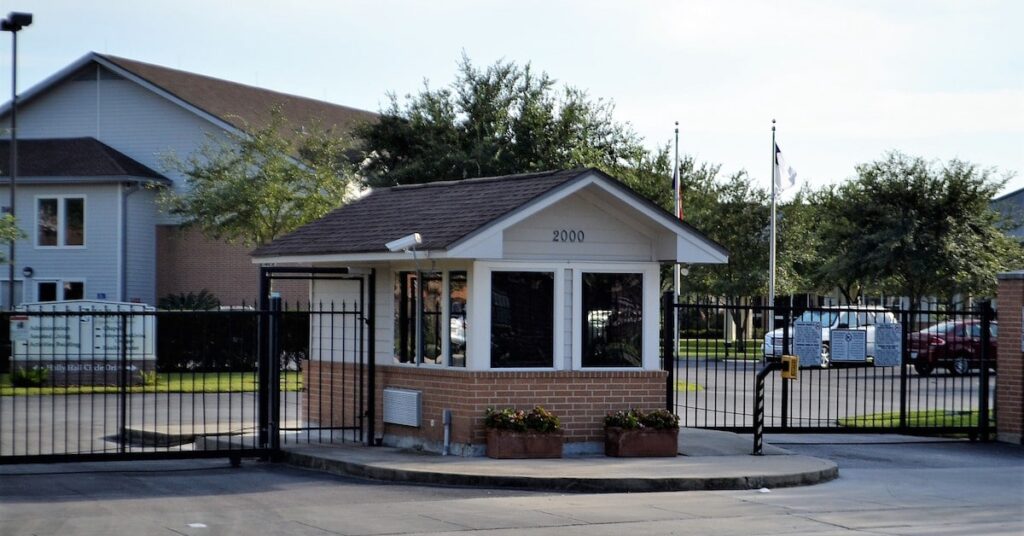
Gated communities in Texas are often seen as the gold standard for privacy, security, and lifestyle amenities. However, residents should be aware of the Texas gated community property taxes that come with these features. With features like 24/7 security, private parks, pools, golf courses, and even internal road maintenance, these neighborhoods offer a lot to residents, but Texas gated community property taxes can be significant.
But if you live or plan to buy inside a gated community, it’s important to understand how private amenities interact with tax-funded services, especially considering Texas gated community property taxes. Homeowners here often pay two sets of costs: property taxes to their local government and homeowners association (HOA) fees for private upkeep.
Let’s break down how these expenses work together and what buyers should watch out for before signing on the dotted line.
Property Taxes in Gated Communities
Texas property taxes are based on the market value of your home and the tax rates set by local taxing entities such as the county, city, and school district.
Living in a gated community does not exempt you from these taxes. In fact, the property values in gated communities are often higher due to added security and amenities, meaning your tax bill could be larger than that of a similar-sized home outside the gates, especially when you factor in Texas gated community property taxes.
Your property taxes fund:
- Public schools
- Police and fire departments
- Emergency medical services
- Local road and drainage maintenance (outside the gates)
- Parks, libraries, and community programs
HOA Fees vs. Taxes What’s the Difference?
Your HOA fees cover services inside the gates that the city or county does not maintain. These may include:
- Private security patrols or gate guards
- Internal street repairs and lighting
- Clubhouses, swimming pools, and gyms
- Landscaping of shared green spaces
- Exclusive community events
💡 Key point: Property taxes and HOA fees often overlap in purpose. For example, your property taxes help fund public parks, but your HOA fees may pay for a private playground or trail within your community.
Hidden Costs to Watch Out For
Before buying in a gated community, ask:
- What does the HOA fee include? Some cover full amenities; others may add “special assessments” for repairs.
- Are the property tax rates higher in this area? Some master-planned developments are in special taxing districts (MUDs or PIDs), which can add to your bill, especially with additional Texas gated community property taxes.
- How often have HOA fees increased? Rising costs can affect your long-term affordability.
Advice for Buyers
If you’re considering moving into a Texas gated community, here’s how to protect your budget:
- Request an itemized HOA budget to see exactly where your money goes.
- Check the property tax rate with the local appraisal district and factor it into your monthly housing costs.
- Research both public and private services understand what your taxes fund versus what you pay the HOA for.
- Ask about reserve funds well-managed communities have money set aside for major repairs, avoiding large sudden assessments.
Final Thoughts
Gated communities offer an appealing lifestyle, but they also come with a dual cost structure: property taxes and HOA fees. Knowing exactly what you’re paying for and why can help you avoid financial surprises and enjoy the benefits of your neighborhood without stress.
If you’re unsure how your property taxes interact with HOA obligations, TexasPVP can guide you through the numbers before you buy, including understanding Texas gated community property taxes.