In Texas, modular and prefabricated (prefab) homes are becoming more popular than ever. Rising construction costs, shorter build times, and customizable designs have made them an attractive option for many homeowners. However, understanding Texas modular home property taxes is crucial for new buyers.
But when it comes to property taxes, these homes can create confusion. Are they taxed the same as a traditional house? Or are they treated differently like a vehicle or personal property? Navigating Texas modular home property taxes requires clarity on these points.
The answer depends on a few key factors, including how your home is installed, titled, and classified by your county appraisal district. These factors greatly influence Texas modular home property taxes.
Modular vs. Prefab vs. Manufactured Homes Why It Matters
Before diving into taxes, let’s clear up the definitions:
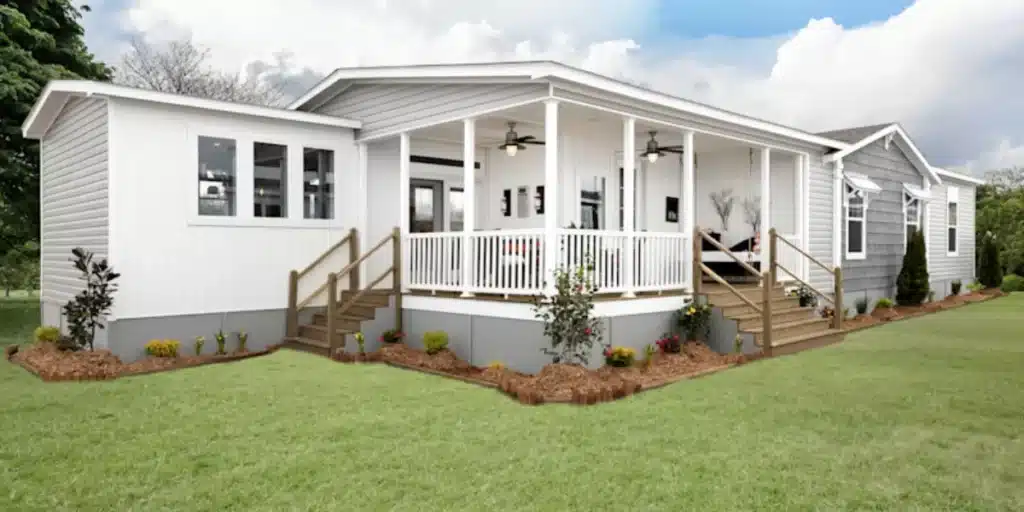
- Modular Homes – Built in sections in a factory, transported to your land, and assembled on a permanent foundation. They must meet local building codes and are taxed like a traditional site-built home.
- Prefabricated (Prefab) Homes – A broader term for any home built off-site and assembled later. This can include modular, panelized, or kit homes. Tax treatment depends on installation and classification.
- Manufactured (Mobile) Homes – Built to federal HUD standards, often with a steel frame, and may be movable. They are taxed differently if they are not permanently affixed to the land.
How Modular and Prefab Homes Are Taxed in Texas
In Texas, property tax treatment depends on permanency:
- If your modular/prefab home is permanently attached to the land (on a slab or pier foundation, utilities connected, and title converted to real property):
- It is taxed as real property, just like a conventional home.
- Your appraisal district assigns it a market value based on comparable sales and location.
- If your prefab home is not permanently affixed (for example, sitting on blocks or capable of being moved):
- It may be taxed as personal property, separate from the land.
- The structure’s value and the land’s value may appear as separate line items on your tax bill.
Steps to Ensure Accurate Assessment
Many homeowners overpay because their home’s classification is wrong. To make sure your taxes are correct:
- Verify Classification with the Appraisal District
- Check whether your property record lists your home as real or personal property.
- File a Statement of Ownership
- For manufactured or modular homes, this legal step is needed to convert personal property into real property for tax purposes.
- Provide Documentation of Installation
- If your home is on a permanent foundation, submit proof to the appraisal district.
- Claim All Eligible Exemptions
- Just like site-built homes, you may qualify for a homestead exemption or other reductions.
- Review the Appraised Value Annually
- Modular and prefab homes can sometimes be overvalued due to incorrect comparisons with traditional construction. Protest if needed.
Common Pitfalls to Avoid
- Not Converting Title to Real Property – This can result in separate tax bills and missed exemptions and could complicate Texas modular home property taxes.
- Overvaluation Due to Wrong Comparisons – Modular homes should be compared to similar builds, not luxury custom homes.
- Paying Taxes on Structures You Removed – If you’ve upgraded or replaced your home, make sure the old structure is removed from your tax record.
Final Thoughts
In Texas, modular and prefab homes can be taxed just like any other house if they are properly classified. Taking the time to ensure your appraisal district records are accurate can save you hundreds or even thousands in property taxes each year.
If you’re unsure how your modular or prefab home is being assessed, TexasPVP can help you review your property record and guide you through any necessary corrections or protests regarding your Texas modular home property taxes.