What Are Texas Property Tax Appraisal Caps?
Texas property tax appraisal caps limit how much the appraised value of certain properties can increase each year.
These limits help protect eligible homeowners from large increases in their property’s taxable value.
However, the cap does not apply to every property. It mainly protects homes that qualify for a residence homestead exemption.
How Does the 10% Appraisal Cap Work?
Texas currently has a 10% annual appraisal cap for qualifying homesteads.
This means the appraised value of an eligible home generally cannot increase by more than 10% from the previous year’s appraised value.
The limit applies even when the home’s market value increases by more than 10%.
For example:
Imagine your home had an appraised value of $300,000 last year.
If its market value rises to $350,000, the 10% cap may limit its appraised value to $330,000 for the current year.
However, certain new improvements may increase the limit.
Important: The cap applies to appraised value, not directly to your property tax bill.
Who Qualifies for the 10% Appraisal Cap?
The 10% cap generally applies to properties with an approved residence homestead exemption.
Homeowners must meet the requirements and receive approval for the exemption.
Also, the cap does not apply in the same way to rental properties, vacant land, or other properties without an eligible homestead exemption.
If you own a home, check your exemption status with your county appraisal district.
What About Proposed Changes to the Appraisal Cap?
Texas property tax discussions have included proposals to reduce the annual appraisal cap from 10% to 3%.
The goal is to limit how quickly the appraised value of eligible homes can rise.
However, a proposal is not the same as an approved law.
Homeowners should check whether any proposed change has passed through the required legislative and voter approval process before relying on it.
Until a change becomes law, the existing rules remain in effect.
Does the Appraisal Cap Stop Property Taxes From Increasing?
No. An appraisal cap does not freeze your property tax bill.
Your tax bill also depends on local tax rates and available exemptions.
For example, a local government may change its tax rate. This can affect your tax bill even when your home’s appraised value stays within the cap.
Therefore, homeowners should review both their property value and local tax rates.
What Should Homeowners Do?
Here are four steps to help you understand your property appraisal:
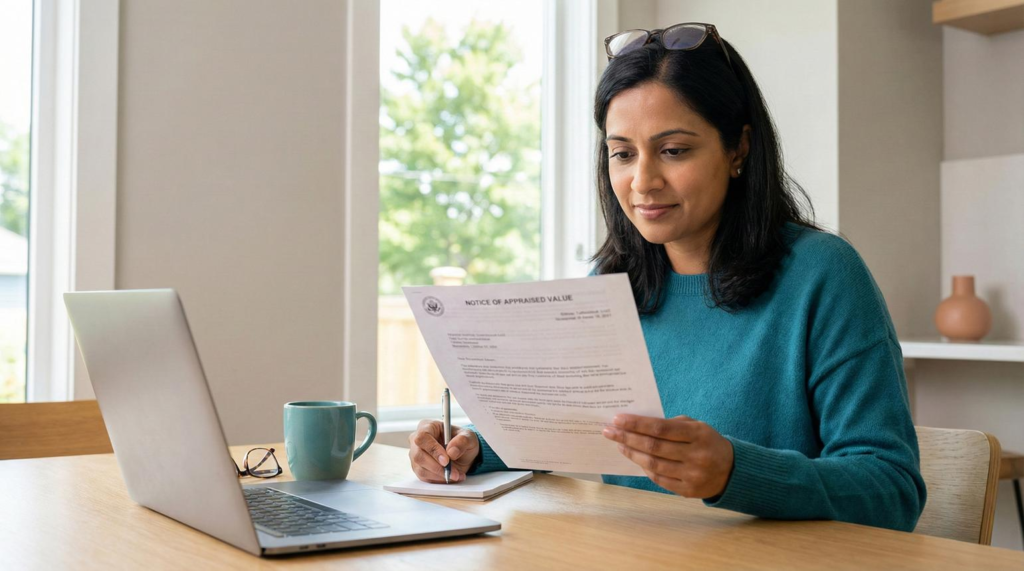
- Check your appraisal notice. Review the value assigned to your home each year.
- Confirm your homestead exemption. Make sure your exemption is approved.
- Review the appraisal cap. Check whether the 10% limit applies to your property.
- Review your tax bill. Check the tax rates and exemptions used to calculate your taxes.
If you believe your property value is too high, you may also have the right to protest your appraisal.
Final Thoughts
Texas property tax appraisal caps can help eligible homeowners manage increases in their home’s appraised value.
However, the 10% cap does not guarantee that your property tax bill will remain the same.
Understanding how appraisal caps, exemptions, and local tax rates work can help you make better decisions about your property taxes.
TexasPVP helps Texas homeowners understand property tax rules and stay informed about changes that may affect their homes.