In Texas, property taxes do more than fund schools and emergency services; they also play a crucial role in maintaining the roads we drive on every day. From fixing potholes to expanding highways, the quality and safety of your local infrastructure often depend on the strength of your community’s property tax revenue. Understanding this connection between Texas property taxes and road maintenance is key for homeowners, especially as local governments weigh budget priorities and development plans.
How Property Taxes Fund Road Repairs in Texas
Texas doesn’t have a state income tax, so it leans heavily on local property taxes to fund essential services — including road maintenance and improvements. While some major highways are funded through state gas taxes and federal dollars, city streets, county roads, and local infrastructure are often funded through:
- County general funds, supported by property tax collections
- City transportation budgets, also funded by local property taxes
- Special tax districts or bonds, which may appear as added levies on your bill
In smaller counties and rural areas, your property taxes could be one of the main sources of funding for gravel road grading, asphalt resurfacing, or bridge maintenance. Clearly, Texas property taxes greatly support road maintenance efforts.
Why This Matters for Homeowners
You may not think about road quality until there’s a crack in your driveway or construction near your neighborhood. But poor infrastructure can:
- Lower property values
- Increase vehicle wear and tear
- Delay emergency response times
In contrast, well-maintained roads can improve neighborhood appeal, reduce commute times, and even support higher home values, indirectly benefiting from property taxes that contribute to maintenance and road safety.
How You Can Influence Road Funding
Many Texas counties and cities hold budget hearings to determine how property tax revenue will be allocated. Homeowners can influence how much of that funding goes toward roads and maintenance by:
- Attending city council or commissioner court meetings
- Reviewing the proposed city or county budget
- Speaking during public comment sessions
- Voting on road bonds or proposition measures
Staying engaged ensures your tax dollars are invested in ways that benefit your community directly, including smoother, safer roads maintained through Texas property tax revenue.
When Property Development Adds Strain to Roads
New neighborhoods and commercial developments often place added stress on local roadways, especially if upgrades to infrastructure lag behind. In these cases:
- Cities may create Public Improvement Districts (PIDs) to generate extra tax revenue for roads
- Counties may reprioritize budgets to meet rising traffic demands
- Homeowners might see temporary increases in taxes or special assessments
Knowing this helps buyers and residents better understand the long-term infrastructure impacts of growth in the area, linking property taxes to road maintenance.
Closing Thoughts
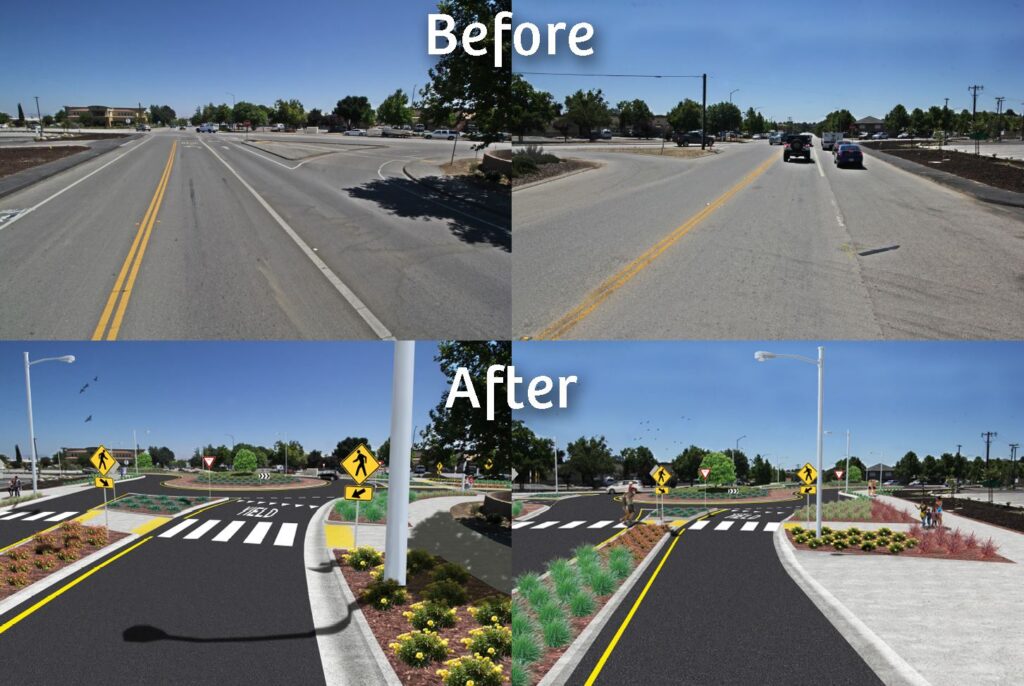
Roads are the arteries of any Texas community, and property taxes are the lifeblood that helps maintain them. While you might not see “road maintenance” itemized on your property tax bill, your contributions help fill potholes, expand intersections, and improve public safety. By staying involved in local budget discussions, you can ensure your taxes pave the way literally to a better neighborhood through improved roads.