
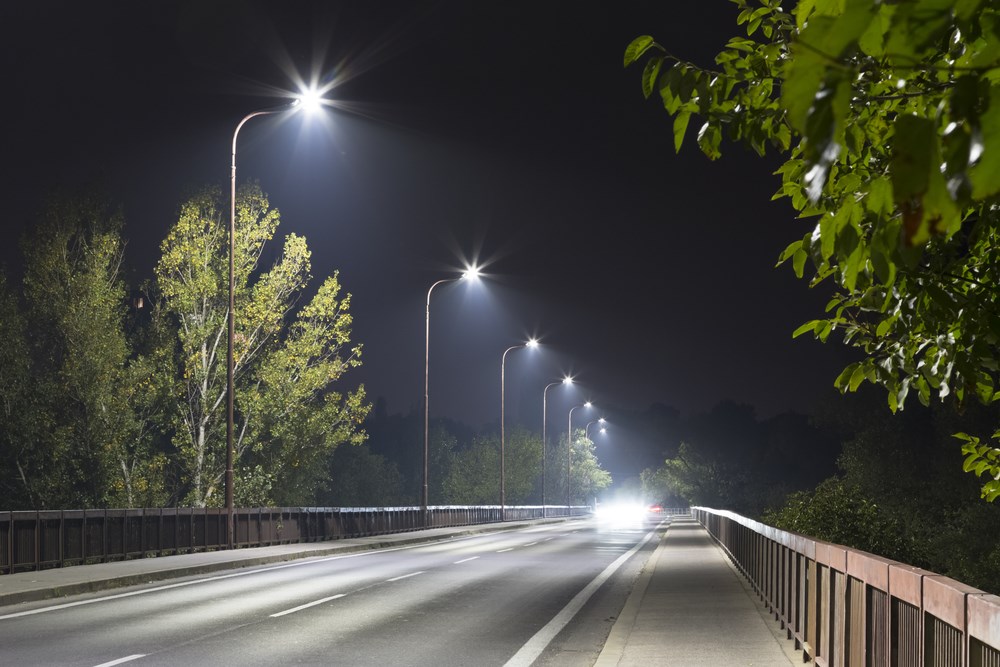
Street lighting is something most of us take for granted until we find ourselves on a dark road or poorly lit street. In Texas, the cost of powering and maintaining public lighting doesn’t just come from city budgets; it is often supported directly by property taxes. Understanding how this connection works, particularly the relation between Texas property tax and streetlighting, helps homeowners see where their tax dollars go and how they can advocate for safer, better-lit communities.
Why Street Lighting Matters
Streetlights do more than just brighten neighborhoods at night. They:
- Improve safety by deterring crime and reducing accidents.
- Enhance community livability by making public spaces more accessible after dark.
- Increase property values since buyers are often more attracted to well-lit neighborhoods.
Because of these benefits, many Texas communities allocate part of their property tax revenue toward funding public lighting systems. A direct relationship exists between Texas property tax streetlighting strategies and community safety.
How Property Taxes Fund Street Lighting
Property taxes collected by counties or municipalities often contribute to:
- Installing new streetlights in developing neighborhoods or areas with high traffic.
- Maintaining existing lights, including replacing bulbs, upgrading to LED technology, or repairing damaged poles.
- Covering electricity costs, which can be significant for larger cities with thousands of lights.
In some communities, especially newer developments, homeowners may also see lighting fees included in special assessment districts (like Public Improvement Districts or MUDs). These work alongside property taxes to cover enhanced lighting projects and impact Texas property tax streetlighting initiatives.
Challenges with Street Lighting Funding
Even though property taxes support street lighting, many Texas cities face challenges such as:
- Budget limitations — rising costs can lead to delayed upgrades.
- Uneven distribution — rural areas often receive less lighting than urban centers.
- Aging infrastructure — older lighting systems require costly replacements.
Homeowners should be aware that tax dollars earmarked for Texas property tax streetlighting might not always stretch far enough to cover all community lighting needs.
How Homeowners Can Advocate for Better Lighting
If your neighborhood struggles with poor lighting, here are ways you can take action:
- Attend budget hearings: Local governments often discuss tax allocation during annual budget meetings.
- Work with HOAs or neighborhood associations: These groups can request additional lighting from cities or counties.
- Support energy-efficient upgrades: LED lights reduce costs and free up property tax dollars for other needs.
- File concerns with your city: Reporting broken or missing lights ensures maintenance is prioritized.
Why This Matters for Property Owners
Street lighting is more than a convenience it’s a service that directly impacts quality of life and neighborhood value. Since property taxes are the primary funding source, homeowners have both a financial stake and a voice in how Texas property tax streetlighting is managed.
At TexasPVP, we help property owners understand where their tax dollars go and how to ensure they are being used effectively. By engaging in your community’s budget process, you can make sure street lighting remains a priority.