When you think about your Texas property taxes, schools and roads may be the first things you picture. But another vital service your taxes support is waste management. Efficient Texas property taxes waste management is essential for community well-being.
Funding from Texas property taxes plays a crucial role in waste management, as trash collection, recycling programs, and landfill maintenance all depend on these local taxes. Without this funding, communities would struggle to keep neighborhoods clean and healthy. Thus, Texas property taxes waste management helps maintain public health and cleanliness.
🗑️ What Your Property Taxes Cover
In many Texas cities and counties, waste services are partly or fully funded by property taxes. These taxes are crucial for efficient waste management and ensuring essential services are covered adequately.
1. Residential Trash Collection
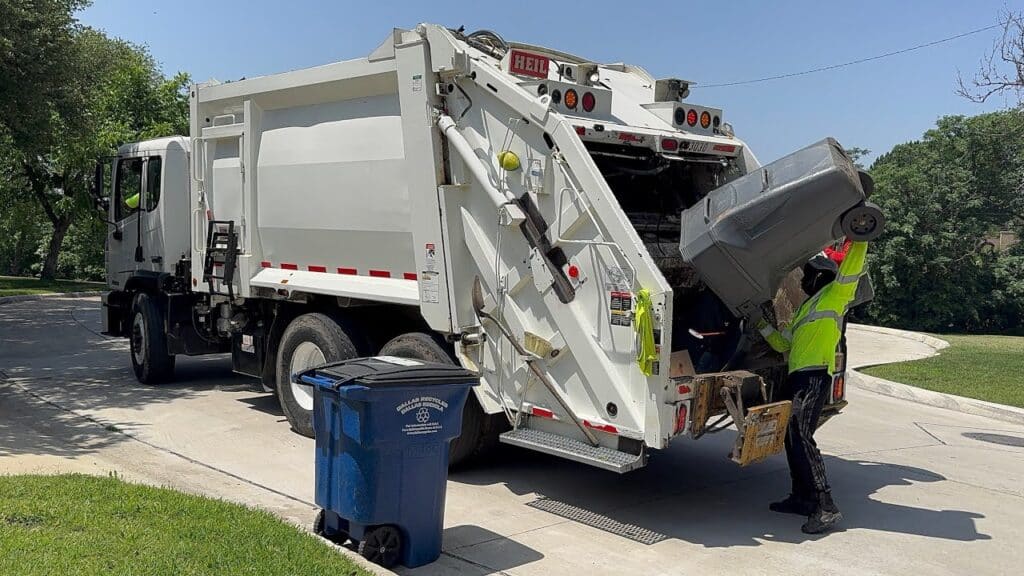
This includes curbside pickup, bulk trash days, and sometimes even street sweeping. Regular pickup prevents illegal dumping and pest problems. Efficient property taxes waste services ensure these programs run smoothly.
2. Recycling Programs
Property taxes can fund collection bins, sorting facilities, and community drop-off sites. They also pay for public education campaigns about recycling best practices. Proper funding from Texas taxes supports effective waste management and recycling initiatives.
3. Landfill Operations
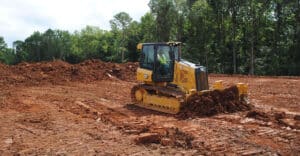
Maintaining a landfill is expensive. Taxes help cover equipment, staffing, and environmental safety measures. They also fund expansion plans as populations grow. Through Texas property taxes, waste management facilities such as landfills receive necessary funding.
4. Waste Reduction Initiatives
This might include composting programs, hazardous waste collection events, and other eco-friendly efforts. Adequate funding ensures initiatives are impactful, aligning with efficient Texas property taxes waste strategies.
💡 How Funding Decisions Are Made
Funding decisions for Texas property taxes waste management are made during city council or county budget meetings. These meetings determine how much property tax revenue goes to waste services.
Decisions are influenced by:
- Population growth in the area
- Rising landfill and fuel costs
- State or federal environmental requirements
- Availability of recycling facilities
Some areas charge a separate utility fee for trash service. In others, the cost is included in your property taxes as part of efficient waste management strategies in Texas.
🏠 How Homeowners Can Influence Services
Homeowners have more influence than they might think. If you want better waste services, try these steps:
- Attend budget meetings. This is where funding levels are set.
- Review tax reports. See how much is going toward waste services.
- Advocate for efficiency. Suggest options like waste-to-energy programs.
- Report service issues. Missed pickups or overflowing bins should be documented. Engaging in these activities supports efficient property tax waste management.
⚠️ Why Waste Management Matters
Efficient waste management prevents health hazards, keeps streets clean, and supports property values. Poorly funded services can lead to overflowing trash, reduced recycling, and environmental problems. Strong funding through Texas property taxes waste management addresses these issues and ensures sustainable solutions.
When funding is strong, communities enjoy cleaner streets, more recycling options, and safer landfills under efficient waste management.
📌 Final Thoughts
Property taxes in Texas do more than support schools and roads. They also keep our neighborhoods clean and livable through reliable waste management. With Texas property taxes waste management, neighborhoods can sustain high-quality living standards.
By learning where your tax dollars go and speaking up in budget meetings, you can help ensure your community gets the waste services it needs.
If you have questions about your tax bill or how services are funded, TexasPVP is here to help you navigate the process.