
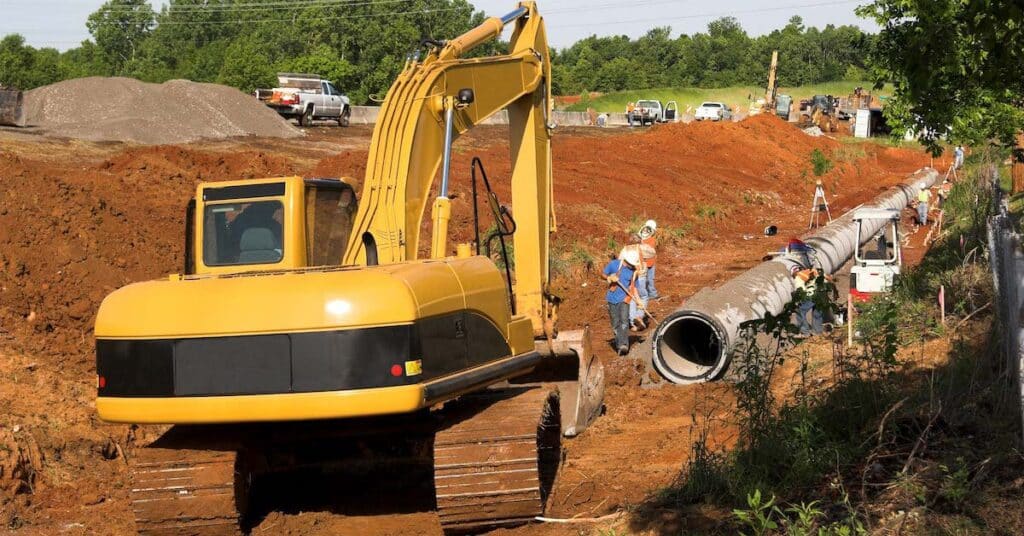
When buying a home in Texas, you expect to pay property taxes for schools, roads, and local services. But in some communities, your tax bill might include additional charges from Municipal Utility Districts (MUDs) or Water Control and Improvement Districts (WCIDs). These special districts can significantly increase your property tax costs, especially in new or suburban developments. Understanding how MUDs and WCIDs work, along with associated WCID costs, is crucial. Researching their impact can save you from unexpected expenses. In this guide, we’ll break down their connection to property taxes. We will also share tips for buyers to make informed decisions.
What Are MUDs and WCIDs?
MUDs and WCIDs are special districts created under Texas law to provide essential services like water, sewer, drainage, and sometimes roads or parks in areas where city utilities don’t reach. MUDs are the most common, serving over 1 million Texans. They are often located in master-planned communities like The Woodlands or Towne Lake. WCIDs have similar roles but may focus on irrigation or flood control. Both are governed by elected boards and regulated by the Texas Commission on Environmental Quality (TCEQ).
Unlike standard property taxes, which fund county or school services, MUD and WCID taxes pay for infrastructure (e.g., water treatment plants) and ongoing operations. These districts issue bonds to build this infrastructure. Homeowners repay those bonds through special property taxes or fees added to their tax bills.
How Do MUDs and WCIDs Affect Your Property Taxes?
MUD and WCID taxes are separate from standard property taxes but often appear as a line item on your annual tax bill. They are collected by your county’s tax assessor. Here’s how they impact your costs:
- Bond Repayment: MUDs and WCIDs fund infrastructure by issuing bonds. These are repaid over 20–30 years through property taxes. For example, a home valued at $300,000 in a MUD with a $0.50 per $100 tax rate pays $1,500 annually in MUD taxes alone, on top of regular property taxes.
- Varying Rates: Tax rates differ by district. For instance, Fort Bend County MUDs range from $0.28 to $0.82 per $100 of assessed value. This depends on the district’s debt and needs. Newer MUDs with more debt typically have higher rates. These rates may decrease as bonds are paid off or more homes share the cost.
- Additional Fees: Some districts charge water or sewer fees alongside taxes, covering maintenance or operations. These may appear on utility bills rather than tax statements.
- Benefits vs. Costs: MUDs and WCIDs provide reliable utilities and amenities (e.g., parks, community centers), which can boost property values. However, the added tax burden can make homes less affordable, especially in new developments.
For example, a $400,000 home in a MUD with a $0.60 tax rate and a county tax rate of 1.8% could face a total tax bill of $9,600 ($7,200 county + $2,400 MUD). This compares to $7,200 without the MUD.
Tips for Buyers Researching MUD and WCID Costs
To avoid surprises, research MUD or WCID costs before buying a home in Texas. Here are practical steps:
- Check If the Property Is in a MUD or WCID: Ask your realtor or seller for disclosure forms, required by Texas law (Texas Water Code, Chapter 49). These detail the district’s tax rates, fees, and bonded debt. You can also find this information on the property’s tax bill or county records.
- Visit the County Appraisal District Website: Look up the property on your county’s appraisal district site (e.g., Harris County Appraisal District). It lists MUD or WCID status and tax rates. Compare rates across districts to estimate costs.
- Contact the MUD or WCID Directly: Most districts, like Harris County MUD 501, have websites. These sites include tax rates, meeting agendas, and financial reports. Call or email the board for details on current and projected taxes.
- Use Online Calculators: Estimate MUD taxes by multiplying the property’s assessed value by the district’s tax rate. For example, a $250,000 home with a $0.40 MUD rate means $1,000 in annual MUD taxes. Some MUD websites offer calculators, or check TexasPVP.com for tools.
- Ask About Bond Repayment: Inquire how long the district’s bonds will take to pay off. Taxes may drop once the debt is cleared. Mature communities often have lower MUD taxes as more residents share costs.
- Research Amenities: MUDs may fund parks or community centers, adding value to your home. Weigh these benefits against higher taxes. For instance, Balmoral’s MUD provides a lagoon and trails, enhancing appeal.
- Consult a Realtor or Tax Professional: An experienced local realtor or tax attorney can explain the district’s financial health and long-term tax trends. They can also confirm if a city might annex the MUD. This information is important since the annexation could potentially reduce taxes.
Case Study: Buying in a MUD
Sarah, a retiree, considers a $350,000 home in a Cypress MUD (Harris County, ~$0.60 MUD rate). Her standard property taxes (2% county rate) are $7,000. The MUD adds $2,100 ($350,000 × 0.006), totaling $9,100 annually. By researching the MUD’s website, she learns the bonds will be paid off in 15 years, likely lowering taxes. The MUD’s park and reliable water services convince her the extra cost is worth it.
Call to Action
MUDs and WCIDs can increase your Texas property tax bill, but they also bring essential services and amenities. Before buying, research tax rates, bond terms, and community benefits to make a smart choice. Visit TexasPVP.com for tax tools and guides, or check your county appraisal district for MUD details. Have a MUD or WCID experience? Share it in the comments to help other buyers!