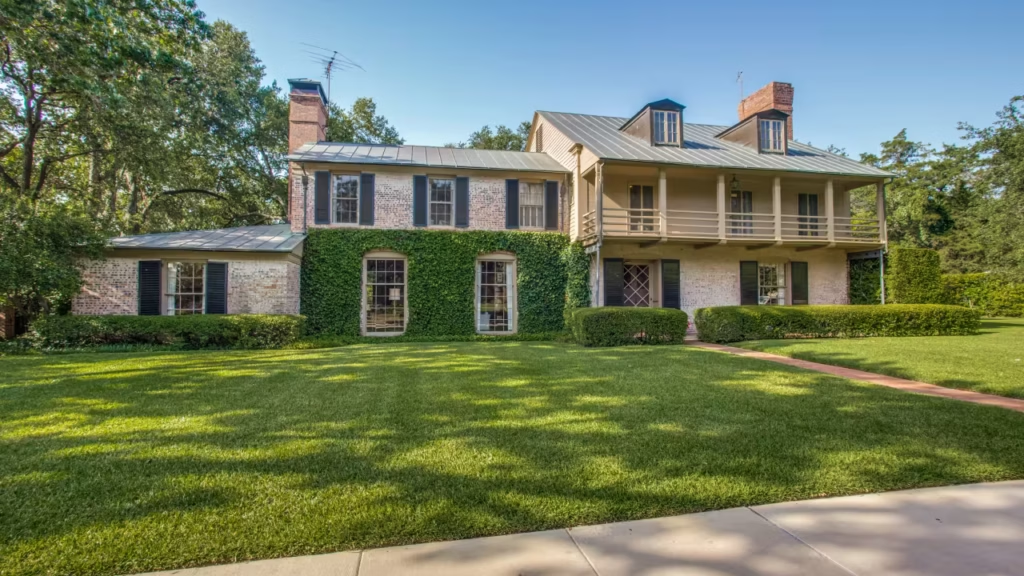
Owning a historic property comes with charm, character and often, a unique set of financial advantages. Many property owners in Texas don’t realize that historic designation can open the door to substantial tax incentives at both the local and federal level, offering historic property tax benefits. Whether you’re preserving a Victorian home, a landmark commercial building, or a rural farmhouse, understanding these benefits could help you lower your tax burden and increase long-term value.
At TexasPVP, we help property owners uncover every opportunity to reduce tax liability including lesser-known avenues like historic designations.
What Qualifies as a Historic Property?
A property may qualify as historic if it meets criteria established by national, state, or local preservation programs. In Texas, this can include:
- Listing on the National Register of Historic Places
- State Antiquities Landmark (SAL) status
- Local historic designation by a municipality or preservation commission
- Inclusion in a designated historic district
Each level of designation has different benefits and requirements. Some programs focus on preservation, while others also offer financial incentives.
Key Tax Benefits for Historic Properties
1. Property Tax Exemptions or Reductions
Several Texas cities and counties offer local property tax abatements or freezes for designated historic properties. These incentives may include:
- Freezing the assessed value for a certain number of years
- Reducing the taxable value based on rehabilitation or maintenance work
- Offering partial exemptions for preserved or restored features
Each local program varies, but qualifying can significantly reduce your annual property tax bill.
2. Federal Historic Preservation Tax Credit
Owners of income-producing historic properties (like rental homes, office buildings, or retail spaces) may be eligible for the 20% Federal Historic Preservation Tax Credit. To qualify:
- The building must be listed on the National Register or contribute to a registered historic district
- You must complete a certified rehabilitation that meets federal preservation standards
This credit applies to renovation costs, not property taxes directly, but the savings can indirectly offset your tax burden.
3. Texas Historic Preservation Tax Incentives
While Texas does not have a direct statewide property tax exemption for historic buildings, it does offer other forms of support:
- Grants and loans for restoration projects
- Access to technical guidance through the Texas Historical Commission
- Local programs that mirror or expand on federal incentives
How Historic Designation Affects Property Valuation
In some cases, historic designation can impact how a property is appraised:
- Appraisers may take into account restrictions on changes or usage, which can lower market value
- Historic properties may appreciate more slowly, but they often retain value due to location and scarcity
- Local tax freezes may keep your assessed value stable despite rising market conditions
At TexasPVP, we help property owners ensure that their historic status is factored properly into valuation and protest cases.
Common Misunderstandings About Historic Designation
- “Historic designation increases your taxes” – In most cases, the opposite is true. Many owners pay less due to tax freezes or abatements.
- “It limits what you can do with the property” – While there are restrictions on certain alterations, most are reasonable and tied to preservation.
- “Only large estates or famous buildings qualify” – Modest homes, storefronts, or rural buildings can also qualify if they meet age and architectural criteria.
Should You Pursue Historic Designation?
It depends on your goals. If you own an older building and plan to maintain or restore it, historic designation may offer long-term tax advantages. You should consider:
- The age and integrity of the property
- Local historic districts or designation programs
- Planned renovations or use changes (residential vs. commercial)
- Eligibility for federal tax credits or city tax freezes
TexasPVP can connect you with the right information, programs, and consultants to make this decision easier.
How TexasPVP Supports Historic Property Owners
- We review your current property valuation to ensure historic status is considered
- We help identify available tax incentive programs in your area
- We assist with documentation and appraisal protests if your value doesn’t reflect historic restrictions
- We work with both residential and commercial historic property owners
Final Thoughts: History Can Pay Off
Preserving Texas’s architectural history doesn’t just protect cultural value it can protect your finances too. If you own a historic property or think yours may qualify, explore the potential tax benefits with TexasPVP. You may be surprised how much savings your property’s history holds.
Need help evaluating your property’s eligibility for historic tax advantages? Contact TexasPVP today.