Introduction
Texas is one of the fastest-growing states in the nation, with cities like Houston, Dallas, Austin, and San Antonio attracting new residents and businesses every year. While this growth brings jobs, development, and opportunities, it also affects local property tax rates. Understanding Texas property taxes in growing cities is crucial as homeowners in these expanding cities often notice changes in their bills as city governments work to fund infrastructure, schools, and public services.
Understanding how growth impacts property taxes and knowing how to monitor city budgets can help homeowners stay ahead of rising costs.
How Urban Growth Affects Property Taxes
1. Higher Demand, Higher Valuations
As more people move into cities like Houston and Dallas, the demand for housing rises. This increased demand pushes property values upward, which appraisal districts reflect in their annual assessments. In Texas, property taxes in growing cities can climb, even if a city lowers its tax rate, due to these higher valuations.
2. Expanding City Services
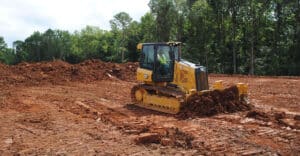
Growing populations mean cities must invest in roads, schools, public safety, and utilities. These projects often require additional funding, which can lead to budget adjustments that impact property tax rates.
3. New Development Incentives
Cities sometimes use tax incentives to attract businesses, which can shift more of the tax burden onto homeowners. Monitoring these programs is key to understanding how local decisions affect your bill, especially when it comes to Texas property taxes in these rapidly growing cities.
What Homeowners Can Do
Monitor City Budgets
City councils publish budget proposals and tax rate notices each year. By reviewing these documents, you can see how much revenue comes from Texas property taxes in growing cities and where it’s being spent.
Attend Public Hearings
Cities in Texas are required to hold hearings before adopting new tax rates. Attending or submitting comments gives homeowners a chance to voice concerns and advocate for responsible spending.
Prepare for Valuation Protests
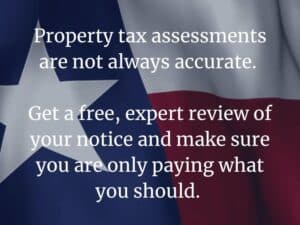
Even in these growing cities, homeowners can protect themselves by reviewing their appraisal notices carefully. If your valuation is too high compared to similar properties, you have the right to file a protest and lower your bill.
Conclusion
The growth of Texas cities like Houston and Dallas brings opportunities, but it also places pressure on property tax systems. By staying engaged in city budgets, monitoring development incentives, and preparing for valuation protests, homeowners can manage the financial impact of rapid urban expansion and effectively navigate the intricacies of Texas property taxes in growing cities.