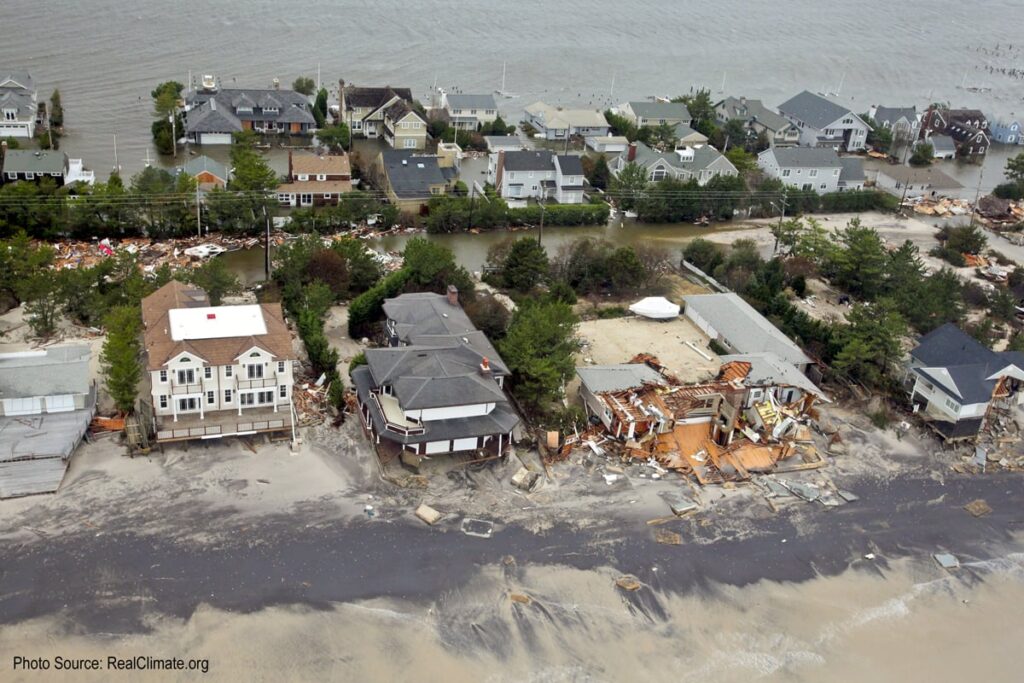
Many Texas property owners are surprised to learn how much natural risks like flood zones, wildfire-prone areas, or hurricane exposure can affect their property valuations. These factors don’t just influence insurance premiums. Moreover, they can play a significant role in your appraised value and your property tax bill. At TexasPVP, we help property owners understand these impacts. We also help them use this knowledge effectively in property tax protests concerning flood zone property valuation.
How Appraisal Districts Factor Flood Zones Into Valuation
Flood risk can influence property value in two ways:
1️⃣ Market value reduction A property in a floodplain often has lower market demand due to insurance costs, resale concerns, or limited financing options. Therefore, appraisal districts are supposed to reflect this in the assessed flood zone property valuation.
2️⃣ Limited use or development potential If a floodplain designation restricts how the land can be used or built on, its value should be adjusted downward. However, mass appraisal systems sometimes overlook or misapply these adjustments. This can leave property owners paying too much in taxes. This is especially true for land or buildings exposed to risk, which affects flood zone property valuation.
Other Natural Risks That Can Affect Your Appraisal
Beyond flood zones, appraisal districts should also consider:
- 🌪 Hurricane-prone regions — Coastal properties often carry additional risks that impact value. These risks can be similar to flood zone property valuation effects.
- 🔥 Wildfire risk zones — Properties near heavily wooded areas or in regions with a wildfire history may face decreased market value.
- 🌊 Erosion and subsidence risks — Coastal and certain riverfront properties can lose value if erosion or shifting land threatens long-term stability.
Common Issues Property Owners Face
🚩 Risk not reflected in valuation
Appraisal districts may assign similar values to properties regardless of floodplain designation or other risk factors. In addition, they may overlook recent updates to flood maps that affect your property’s true risk level. This oversight impacts its flood zone property valuation.
🚩 Overlooking new floodplain maps
If a property was recently reclassified into a higher-risk zone, its market value may have dropped. Consequently, the CAD should adjust the flood zone property valuation accordingly.
🚩 No credit for mitigation
On the flip side, property owners who’ve invested in flood-proofing or drainage improvements sometimes don’t see these efforts reflected in reduced valuations. As a result, they continue paying taxes based on outdated risk assumptions, affecting flood zone property valuation.
How to Use Risk Factors in Your Protest
✅ Document your property’s risk profile
For example, include FEMA flood maps, flood insurance requirements, or data on storm damage. This documentation might affect flood zone property valuation.
✅ Provide market evidence
Show how similar at-risk properties sell for less or have higher carrying costs (like insurance). Furthermore, highlight any restrictions or difficulties in selling the property.
✅ Highlight usage restrictions
If floodplain or hazard designations limit how you can use your property, this is valuable evidence in a protest regarding flood zone property valuation.
✅ Show past damage or costs
Photos of previous flood damage or high mitigation expenses can strengthen your case. In addition, repair estimates or invoices provide further support.
How TexasPVP Helps
At TexasPVP, we build strong cases using transition strategies and:
- Up-to-date FEMA floodplain maps and hazard data
- Comparable sales of similar at-risk properties
- Insurance and repair cost data
- Expert insight into how these risks should influence valuation, especially in flood zone property evaluations.
As a result, we represent your interests at informal and formal hearings. We ensure that natural risks are fairly factored into your assessed value.
Final Takeaway
Natural risks like flood zones and wildfire exposure can have a significant impact on your property’s true market value. Therefore, unless you proactively bring this to the appraisal district’s attention and back it up with strong evidence, you could end up overpaying on your tax bill.
Let TexasPVP help you protect your property’s value and your bottom line. Contact us today to learn more about how we can assist with your property tax protest.