Introduction: Public Health Begins at the Local Level
Most Texans understand that their property taxes help fund schools and infrastructure. What often goes unnoticed, however, is how Texas property taxes also fund the vital public health services that protect our daily lives. From ensuring restaurant food safety to providing vaccines and free health clinics, your property taxes are helping fund the health backbone of your community.
In a state as large and diverse as Texas where rural areas often struggle with access to care, and urban counties deal with overcrowded systems this funding is not just helpful, it’s essential. And in many counties, property tax revenue is the primary funding source for these public health services.
Let’s take a closer look at how your property taxes work behind the scenes to support a healthier Texas.
How Property Taxes Directly Support Public Health Services in Texas
1. Local Health Departments and County Clinics
Across Texas, county health departments are often partially or fully funded by local property taxes. These departments provide frontline services for residents who may not have access to traditional healthcare due to income, insurance, or immigration status.
Common services funded by property taxes include:
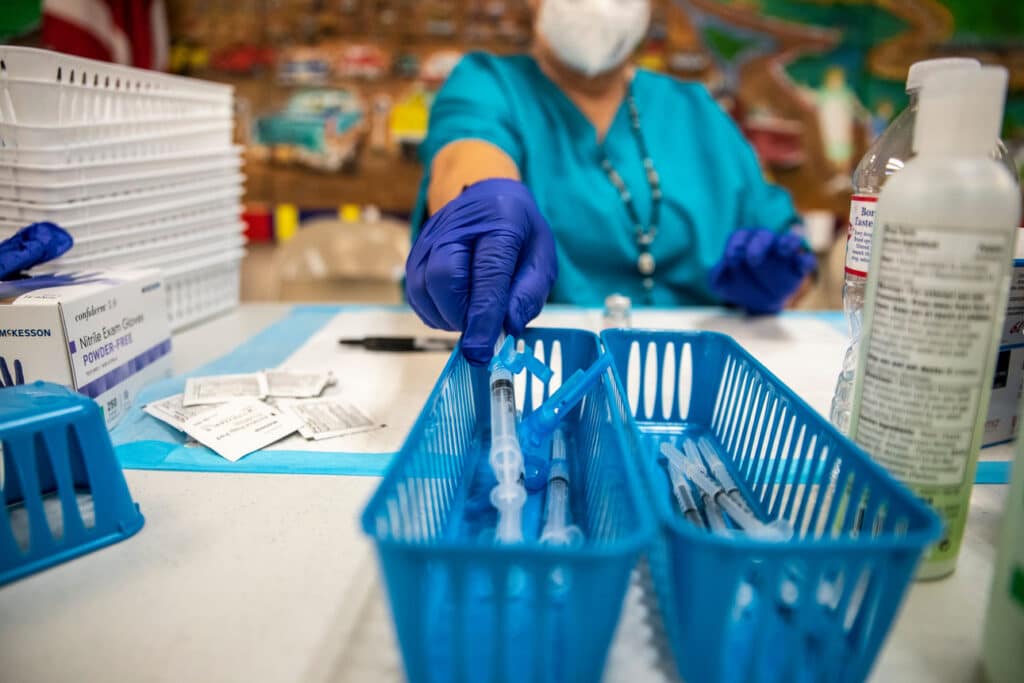
- Vaccination programs (flu, COVID-19, childhood immunizations)
- Women’s health and prenatal care
- Diabetes and hypertension screenings
- Infectious disease tracking and prevention
- Health education and nutrition programs
- Tuberculosis treatment and control
In counties with limited healthcare infrastructure, these departments are a lifeline sometimes the only accessible provider in the area.
2. Emergency Preparedness and Public Health Crises
When natural disasters, disease outbreaks, or other public health emergencies strike, local agencies must respond quickly and they often do so using tax-funded resources.
Property taxes help ensure:
- Emergency operations centers are staffed and equipped
- Evacuation shelters are stocked with medical supplies
- Rapid response teams can track and contain disease outbreaks
- Local hospitals are supported during surges in demand
- Public alerts (e.g., boil water notices, weather alerts) reach everyone
Texas counties prone to hurricanes, flooding, or extreme heat rely heavily on consistent tax revenue to maintain readiness.
3. Environmental and Food Safety Monitoring
Public health isn’t just about hospitals it’s also about the everyday safety of the environment where we live. Your property taxes help fund local departments that:
- Inspect restaurants and food trucks
- Monitor drinking water and air quality
- Investigate mold, pest, and lead complaints in housing
- Test public pools and recreational water facilities
Without this kind of monitoring, the risk of disease outbreaks especially in growing communities increases dramatically.
4. Mental Health and Substance Abuse Programs
More counties in Texas are using their local tax base to expand mental health outreach and substance abuse treatment. This includes:
- Crisis response teams
- Suicide prevention and hotline services
- County-funded counseling centers
- Naloxone (Narcan) distribution programs
- Outreach to vulnerable populations (e.g., unhoused residents)
These initiatives can prevent mental health crises from escalating, saving lives and reducing strain on law enforcement and emergency rooms.
How Can Texas Homeowners Influence Health Funding?
Property owners are not just taxpayers they’re stakeholders. Here’s how you can shape how your taxes are used in public health:
- Attend County Budget Hearings: Every year, Texas counties hold public meetings to set their budgets. Public health departments often present funding requests. These hearings are open to all residents.
- Talk to Your County Commissioners: These elected officials vote on the county tax rate and budget allocations. They listen to constituents especially when it comes to public health.
- Support Local Health Bonds or Ballot Measures: If a bond is proposed to improve hospital infrastructure or expand services, your vote matters.
- Stay Informed on Health Needs: Counties sometimes conduct “Community Health Needs Assessments” and surveys. Participating in them helps guide spending toward the greatest local need.
The Bigger Picture: Why Public Health Funding Matters for Property Owners
You might be wondering what’s the benefit of funding public health if I already have private insurance or rarely use county services?
Here’s why it matters:
- Prevention Reduces Emergency Costs: When people get care early, they’re less likely to flood emergency rooms later saving everyone money.
- Healthier Communities Boost Property Values: Access to good health services is a major factor in neighborhood desirability.
- It’s a Public Good: Controlling disease outbreaks and managing clean air/water is beneficial for everyone, regardless of income or location.
Think of it this way: strong public health systems are like insurance for your entire community.
Final Takeaway
In Texas, where there’s no state income tax, property taxes are one of the few consistent sources of funding for critical services including public health. They’re the reason your community has access to vaccinations, disease control, health education, food safety inspections, and more.
The next time you pay your property tax bill, remember: you’re helping to keep your community safe, healthy, and resilient and that’s something worth investing in.