When considering Texas property taxes and public transportation, most Texans often picture schools, roads, or police departments. Yet one important area where these dollars make a difference is public transportation. From buses to light rail systems, property taxes help keep communities connected, reduce traffic congestion, and provide affordable options for people who may not have a car.
In this post, we’ll explore how property taxes fund transit systems across Texas and what homeowners can do to support smarter investments in local mobility. The connection between property taxes and public transportation in Texas is essential to understanding local mobility issues.
🚍 How Property Taxes Fund Public Transit
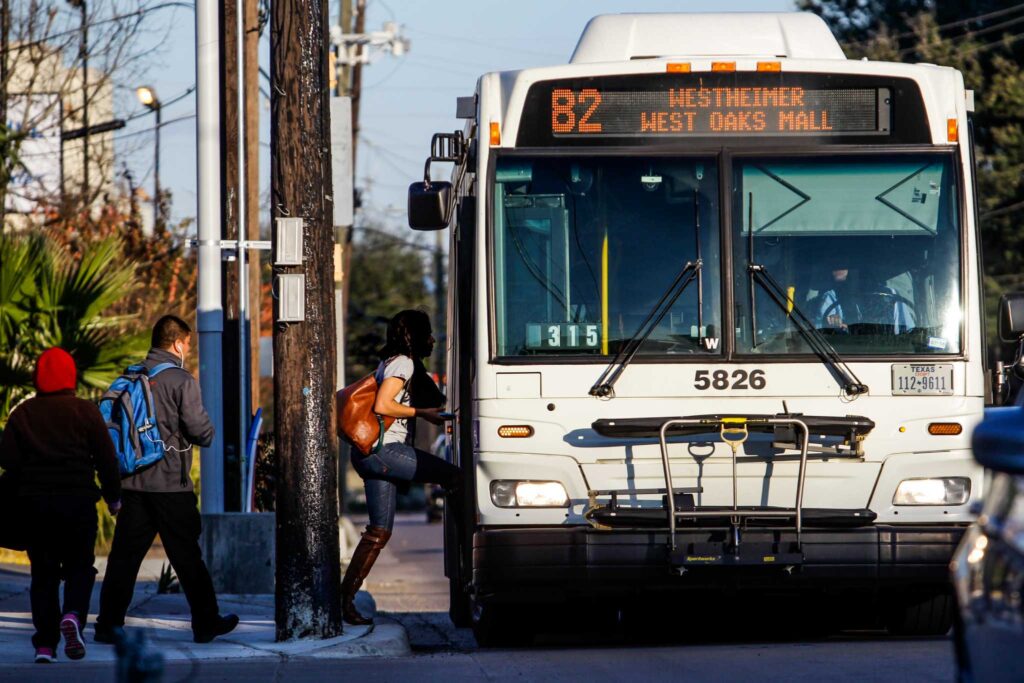
Public transportation in Texas is typically managed at the local or regional level through transit authorities. These agencies rely on a combination of funding sources, including sales taxes, federal grants, and importantly property taxes.
Property tax dollars can go toward:
- Operating expenses: Covering costs for bus drivers, fuel, and vehicle maintenance.
- Infrastructure improvements: Funding new bus stops, park-and-ride facilities, or light rail stations.
- Accessibility programs: Providing paratransit services for seniors or people with disabilities.
- Expansion projects: Planning and building new routes as cities grow and suburbs expand.
Without property tax revenue, many local transit systems would struggle to provide reliable service.
🏙️ Why It Matters to Homeowners
Even if you don’t ride the bus or light rail, public transportation has a direct impact on property values and quality of life. Here’s how:
- Reduced traffic congestion: Fewer cars on the road means faster commutes for drivers.
- Higher property values: Homes located near reliable public transit often see stronger demand.
- Environmental benefits: Transit reduces emissions and improves air quality in growing cities.
- Community access: Transit ensures that seniors, students, and lower-income residents can access jobs, healthcare, and schools.
In short, investing in transit benefits everyone, not just riders. This shows how interconnected property taxes and public transportation are in improving community welfare.
📊 Examples Across Texas
- Dallas Area Rapid Transit (DART): Property taxes help maintain and expand DART’s bus and light rail services, which serve millions across the Metroplex.
- Houston METRO: Local tax dollars support bus rapid transit and park-and-ride systems designed to ease daily commutes.
- Austin Capital Metro: Property taxes contribute to ongoing projects like Project Connect, aimed at expanding rail and rapid bus networks.
Each region structures funding differently, but property taxes are almost always part of the equation to ensure robust public transportation services.
📝 How Homeowners Can Support Transit Projects
If you’re a Texas homeowner, you can have a say in how much funding goes to public transportation. Here are some steps:
- Attend county or city budget hearings: Speak up about the importance of transit funding.
- Support bond elections: Many transit projects require voter approval for financing.
- Stay informed about local transit authorities: Learn how they use property tax revenue and hold them accountable.
- Advocate for equity: Encourage your community leaders to ensure that transit investments benefit both urban and suburban neighborhoods.
✅ Key Takeaway
Texas’ no-income-tax model means property taxes carry much of the burden for essential services, including public transportation. Whether it’s keeping buses running or expanding light rail, these dollars shape how cities grow and how easily Texans can get around. The combined influence of Texas property taxes and public transportation is vital for effective city planning.
As a homeowner, understanding this connection helps you see where your tax dollars go and gives you the opportunity to advocate for smarter, more sustainable mobility solutions in your community.