Buying real estate in Texas involves more than location and price; it also comes with long-term tax considerations. One of the most overlooked aspects is how property taxes differ between vacant land and developed property. The differences in vacant vs developed property are significant. Whether you’re a homeowner, investor, or business owner, understanding these distinctions can help you budget wisely and potentially avoid surprises.
At TexasPVP, we help property buyers and owners understand the valuation process and how land use impacts taxable value. Let’s explore the key differences between vacant vs developed property in terms of taxes.
What Is Considered Vacant vs. Developed Property?
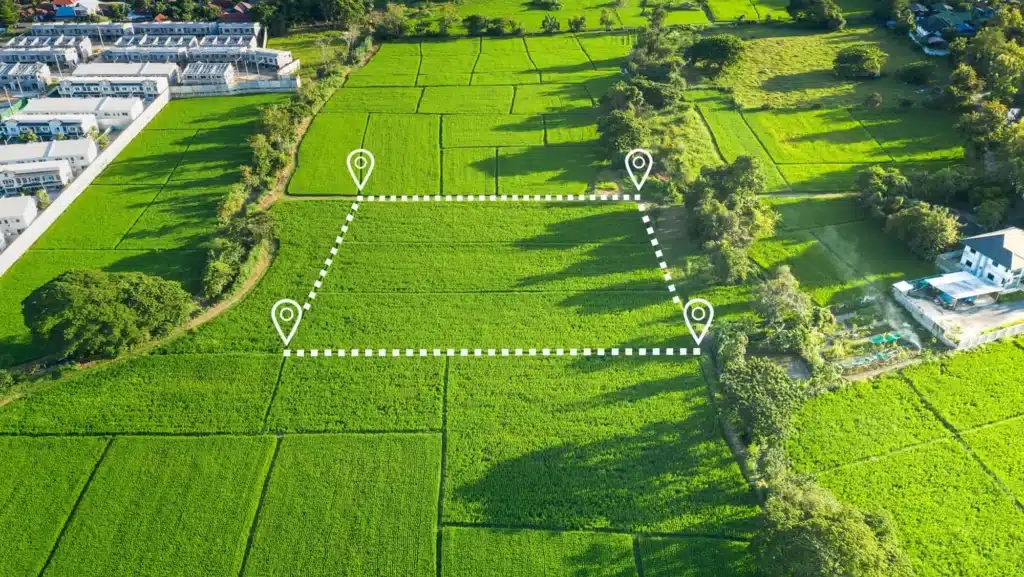
- Vacant Land: A parcel with no structures it may be raw, unimproved, or cleared but not yet developed.
- Developed Property: Land that includes improvements like a home, office building, retail center, or other structure.
Understanding the classification of vacant vs developed property is essential because it affects how appraisal districts calculate your taxes.
How Property Taxes Are Calculated in Texas
Texas property taxes are based on the appraised value of the property, which includes both land and improvements. Each year, county appraisal districts (CADs) determine the market value for:
- Land (value based on size, location, and use)
- Improvements (value of structures, additions, enhancements)
The total appraised value is then multiplied by local tax rates to determine your annual bill. Whether you’re dealing with vacant land or developed property, knowing how the system works helps you plan better.
Key Differences in Tax Implications
1. Lower Initial Tax Liability for Vacant Land
Because there are no improvements on vacant land, the appraised value and thus the property tax is typically much lower than for a developed site. This can benefit land investors or future developers who want to hold the property long-term.
However: once construction begins or finishes, the CAD will reassess the land and add the value of the improvements, changing the status from vacant to developed property.
2. Higher Risk of Value Increases After Development
Adding a home, commercial building, or infrastructure will raise your assessed value significantly. This can lead to a sharp increase in property taxes sometimes within the same tax year depending on when the project is completed.
3. Different Land Use Categories and Valuation
Vacant land is often assessed differently depending on its intended or permitted use:
- Residential
- Commercial
- Agricultural (may qualify for exemptions)
A vacant lot in a residential neighborhood will be valued differently than a commercial corner lot, even if both are empty. These differences in use highlight the tax distinctions between vacant vs developed property.
4. Agricultural or Timber Exemptions May Apply
Vacant land used for farming, ranching, or timber production may qualify for special tax valuation (also called “ag use” or “1-d-1 valuation”). This can significantly reduce property taxes, even without development.
To qualify, you must:
- Use the land primarily for agriculture or livestock
- Meet local appraisal district criteria for time in use (typically 5 years)
- Apply and re-qualify annually
5. Developed Properties May Qualify for Homestead or Business Exemptions
Once a structure is added and occupied:
- Homeowners may apply for a homestead exemption, which lowers the taxable value
- Business owners may qualify for depreciation or income-related deductions (at the federal level)
These exemptions don’t apply to raw land but can provide relief once development is complete. It’s a key benefit of owning developed property over vacant.
When Do Property Taxes Change After Building?
- If construction finishes before January 1, the full improved value will be used for that year’s assessment.
- If completed after January 1, the CAD typically appraises based on land only until the following year.
It’s important to notify the CAD of changes and prepare for increased bills once development is complete. This transition from vacant to developed property marks a major tax shift.
Strategic Planning Tips
- Plan ahead: Factor in future tax increases when budgeting for land development
- Time your construction: If possible, start after January 1 to delay increased valuation for a year
- Consult early: TexasPVP can help you analyze land use categories, exemptions, and future protest opportunities
How TexasPVP Can Help
Whether you’re buying land to build or investing in a developed site, TexasPVP can:
- Review proposed and current tax valuations
- Help apply for exemptions (homestead, ag, etc.)
- Prepare documentation for protests if your land or development is overvalued
- Provide data on comparable land and structures to support your case whether it’s vacant land or developed property
Final Thought: Think Beyond the Purchase Price
The type of property you buy vacant or developed has a direct impact on your long-term tax liability. Understanding those implications early helps you avoid costly surprises and protect your investment. With TexasPVP on your side, you can make confident, informed decisions about vacant vs developed property taxation in every phase of ownership.
Buying or developing property in Texas? Reach out to TexasPVP to review your valuation and explore tax-saving strategies.