Introductio
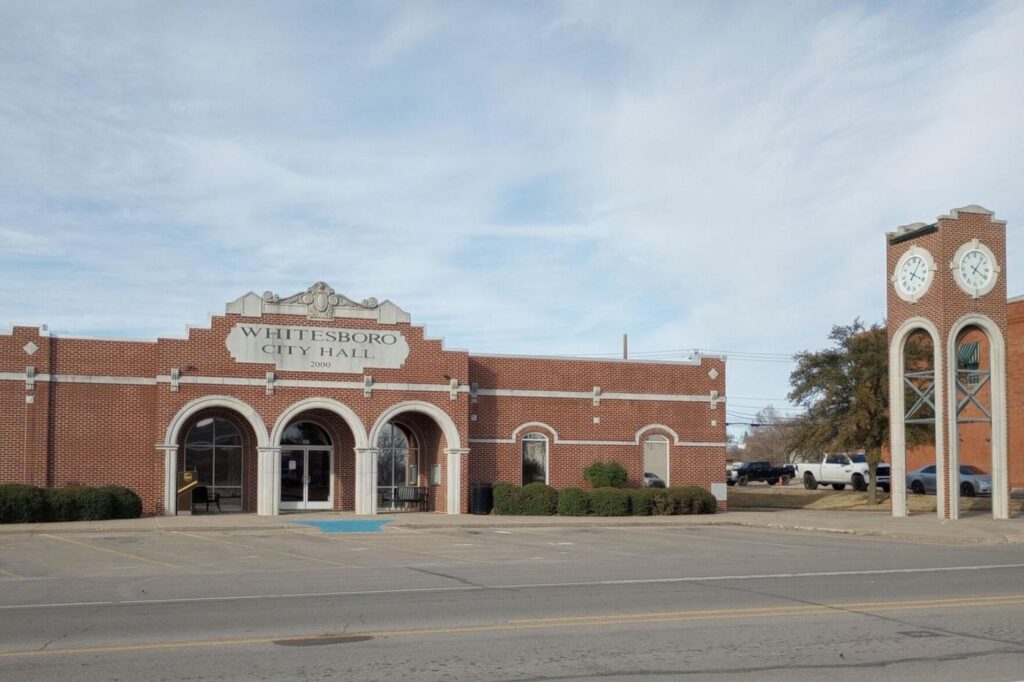
Small Texas cities are facing growing scrutiny over how they handle property tax increases. One recent example is Whitesboro, which responded to Attorney General Ken Paxton’s tax hike halt order by choosing to set aside disputed tax revenue.
Instead of issuing refunds or spending the funds, the city placed the money in reserve. This decision has raised questions among homeowners.
Why was the revenue set aside?
How does SB 1851 factor into the dispute?
And could residents eventually recover overpaid taxes?
This article breaks down what’s happening, why it matters, and what homeowners should watch next.
What Triggered Paxton’s Tax Hike Halt Order?
Attorney General Ken Paxton issued his order after concerns that some cities may have:
- Increased property tax revenue beyond legal limits
- Failed to obtain the required voter approval
- Misapplied state tax statutes
As a result, Paxton directed certain local governments to pause disputed tax increases until legal questions are resolved.
Importantly, the order does not cancel taxes outright. Instead, it places enforcement under review.
Whitesboro’s Response: Setting Aside Disputed Revenue
Rather than issuing immediate refunds, Whitesboro chose a cautious approach.
What “Set-Aside Revenue” Means
When a city sets aside revenue, it does not spend the disputed funds.
Instead:
- The city collects the tax amount as billed
- The disputed portion is placed in a separate reserve account
- The funds are not used for daily operations
- Final use depends on legal outcomes
In short, the city is holding the money while waiting for clarity.
Why Whitesboro Chose This Approach
City officials have cited several reasons for their decision.
First, there is legal uncertainty surrounding whether the tax increase violated state law.
Second, issuing refunds now could disrupt the city’s budget if the order is later overturned.
Finally, setting aside funds preserves the option to refund taxpayers if required.
This approach allows the city to remain operational while the dispute plays out.
How SB 1851 Fits Into the Dispute
Senate Bill 1851 clarified how cities must apply tax rate limits and voter approval rules.
However, disagreements remain over:
- How SB 1851 should be interpreted
- Whether it applies retroactively
- Whether Whitesboro’s tax increase violated its provisions
Because of these unresolved questions, both cities and homeowners are left waiting for direction.
Why Retroactivity Matters Most
Retroactivity determines whether any correction applies to past tax bills or only future ones.
If changes are retroactive:
- Homeowners may be entitled to refunds or credits
- Set-aside funds could be returned to taxpayers
If changes apply only going forward:
- Past payments likely remain valid
- Reserved funds may be released for city use
This single issue will determine whether homeowners see financial relief.
What This Means for Whitesboro Homeowners
For now, nothing changes on your current tax bill.
- Taxes are still paid as issued
- Disputed funds remain in reserve
- No refunds have been issued
However, the situation could change depending on court rulings or legislative action.
Homeowners should stay informed but realistic about timelines.
How Homeowners Can Stay Proactive
While the dispute remains unresolved, residents can take a few practical steps.
1. Keep Your Records
Save property tax bills, receipts, and correspondence.
2. Monitor City Council Meetings
Watch for:
- Budget updates
- Discussions of reserve funds
- Legal settlement announcements
3. Follow State-Level Developments
Pay attention to:
- Attorney General updates
- Court rulings involving SB 1851
- Legislative clarification
4. Ask About Refund Procedures
If refunds are approved, cities usually require formal claims.
Could Homeowners Claim Overpayments?
Possibly, but not yet.
Refunds or credits would only occur if:
- Courts require retroactive correction
- The Legislature mandates repayment
- A settlement includes taxpayer reimbursement
Until then, homeowners should continue monitoring developments.
Why This Case Matters Beyond Whitesboro
Whitesboro’s decision may influence how other Texas cities respond to similar disputes.
If this approach becomes common, it could:
- Delay refunds statewide
- Extend legal battles
- Increase pressure for legislative clarity
For homeowners across Texas, this case highlights the importance of transparency and oversight.
Conclusion
Whitesboro’s choice to reserve disputed tax revenue reflects the uncertainty surrounding Paxton’s halt order and SB 1851. While the decision protects city finances, it leaves homeowners waiting for answers.
As legal and legislative processes unfold, informed homeowners remain the strongest watchdogs. TexasPVP will continue tracking developments so Texans understand what actions may be required next.