
Introduction
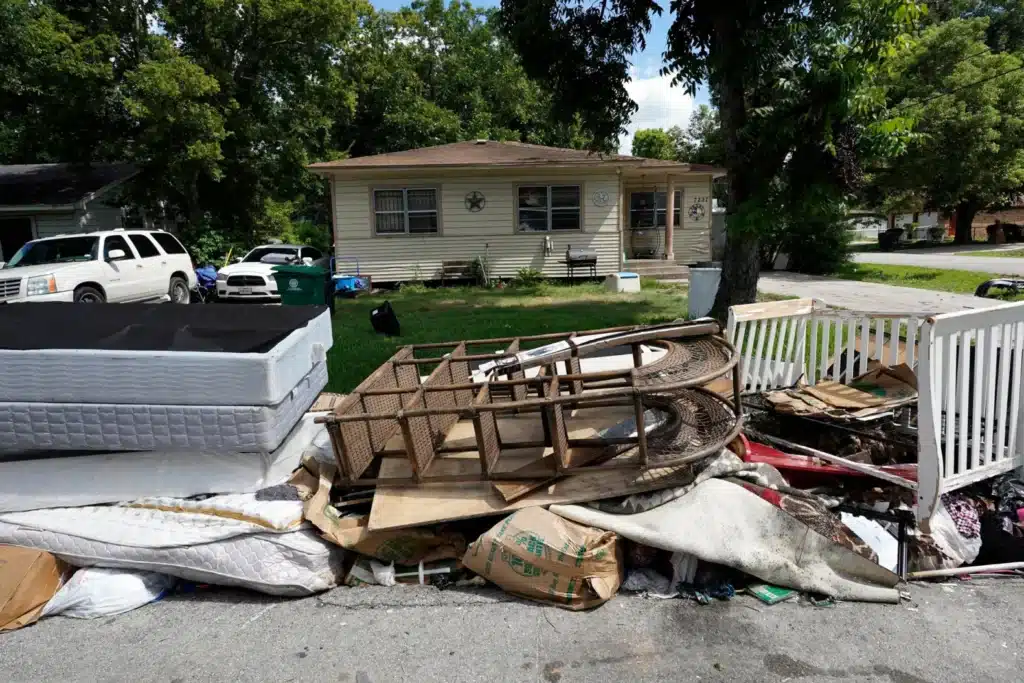
Natural disasters don’t just damage homes and land they can also disrupt property values, tax bills, and household finances. In Texas, lawmakers and the Property Tax Assistance Division (PTAD) have established temporary disaster relief exemptions to help property owners recover after events like flooding, drought, wildfires, and severe storms.
Recent PTAD guidance and statutory protections including SB 1502 clarify how disaster-related exemptions work, who qualifies, and what steps homeowners must take to receive relief.
This article breaks down the latest disaster relief exemptions, how they apply during droughts and floods, and what affected property owners should do next.
What Are Disaster Relief Property Tax Exemptions?
Disaster relief exemptions are temporary reductions in taxable value granted when property is damaged or made unusable due to a declared disaster.
These exemptions are designed to:
- Reflect the property’s reduced condition
- Prevent homeowners from being taxed as if no damage occurred
- Provide short-term financial relief during recovery
They do not permanently lower a property’s value but can significantly reduce the tax bill for the year of the disaster.
PTAD’s Role in Disaster Relief
The Texas Comptroller’s Property Tax Assistance Division (PTAD) provides:
- Guidance to appraisal districts
- Updated forms and instructions
- Clarification on eligibility and valuation
PTAD does not approve exemptions directly. Instead, it ensures appraisal districts apply state law consistently when disasters occur.
After major droughts or floods, PTAD often issues updated advisories to help districts and property owners understand how relief should be handled.
Statutory Temporary Exemptions Explained
Under Texas law, property owners may qualify for a temporary disaster exemption if:
- The Governor declares the area a disaster zone
- The property is at least 15% damaged
- The damage is caused by a qualifying event (flood, drought, wildfire, storm)
How the Exemption Works
The appraisal district assigns a damage percentage (15%–100%), which is then applied to reduce the taxable value for that tax year.
For example:
- A home valued at $300,000 with 50% disaster damage
- Temporary taxable value reduced to $150,000
Drought-Related Property Tax Relief
Drought relief often applies to:
- Agricultural land
- Ranches
- Wildlife management properties
During declared drought conditions, appraisal districts may:
- Adjust productivity values
- Recognize reduced land use
- Apply temporary relief where operations are disrupted
PTAD guidance helps districts determine how drought severity impacts valuation, especially for land-based exemptions.
Flood-Related Property Tax Relief
Flood damage is one of the most common triggers for disaster exemptions.
Eligible damage may include:
- Structural damage
- Mold contamination
- Electrical or plumbing failure
- Loss of livable space
Even if repairs are planned, property owners can still qualify if the damage existed as of January 1 of the tax year or occurred during a declared disaster period.
SB 1502: Additional Protections for Property Owners
Senate Bill 1502 strengthened disaster relief protections by:
- Clarifying appraisal treatment of disaster-damaged property
- Preventing inflated valuations when repairs are incomplete
- Supporting fair appraisal during recovery periods
SB 1502 helps ensure property owners are not penalized for delays caused by insurance claims, contractor shortages, or extended recovery timelines.
How to Apply for a Disaster Relief Exemption
Property owners must apply disaster exemptions are not automatic.
Step-by-Step Process
- Confirm Disaster Declaration
Check whether your county is included in the Governor’s disaster declaration. - Complete the PTAD Disaster Exemption Form
This form is available through your local appraisal district. - Provide Evidence of Damage
Examples include:- Photos
- Insurance adjuster reports
- Repair estimates
- Submit by the Deadline
Deadlines vary, but applications should be filed as soon as possible after damage occurs. - Follow Up with the Appraisal District
Districts may request inspections or additional documentation.
Common Mistakes to Avoid
Property owners often miss relief due to:
- Assuming exemptions are automatic
- Missing filing deadlines
- Failing to document damage clearly
- Not responding to appraisal district requests
Staying proactive is key.
Will Disaster Exemptions Affect Future Appraisals?
Temporary disaster exemptions:
- Apply only to the year of damage
- Do not permanently lower market value
- Do not remove eligibility for future protests
However, documented damage can still be relevant if repairs are incomplete by the next appraisal cycle.
What Homeowners Should Do Now
If your property was affected by drought or flooding:
- Review PTAD guidance
- Contact your appraisal district
- Document all damage
- File promptly
- Monitor future appraisal notices
Disaster relief exists to help but only if applied for correctly.
Conclusion
Disaster relief exemptions play an important role in protecting Texas property owners during times of hardship. With PTAD updates and SB 1502 protections in place, homeowners and landowners have clearer paths to temporary tax relief after droughts and floods.
Understanding eligibility, application steps, and deadlines ensures affected Texans receive fair treatment during recovery.
TexasPVP continues to provide clear, timely education so property owners can navigate Texas property tax rules with confidence.