
Introduction
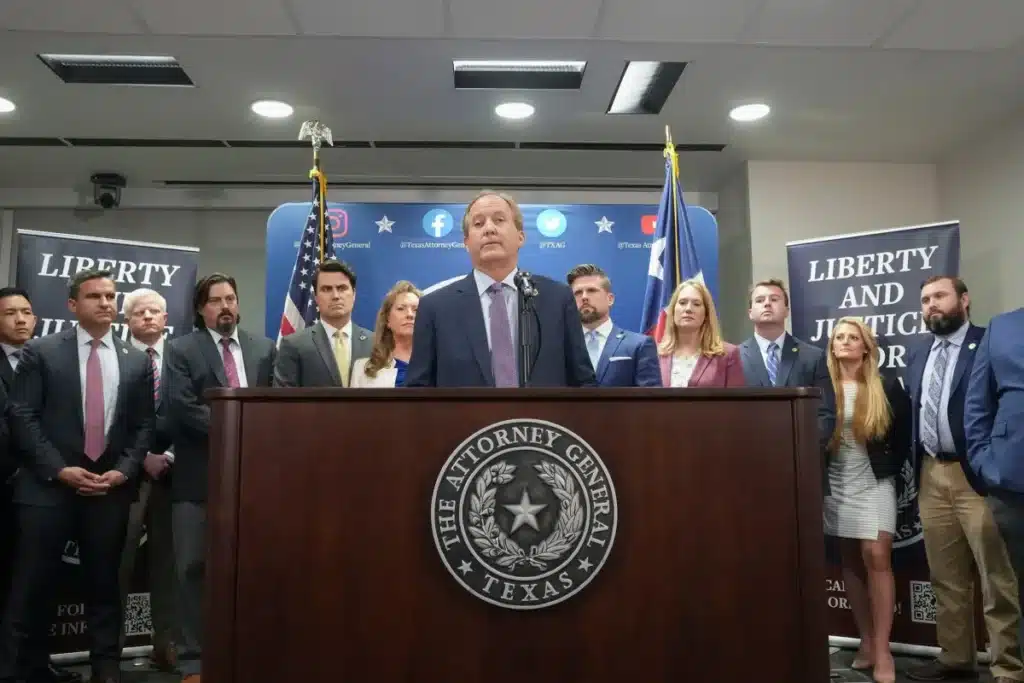
In recent months, Texas cities have found themselves under increased scrutiny following Attorney General Ken Paxton’s investigation into local property tax practices. The probe has raised important questions about transparency, compliance with state law, and whether cities improperly benefited from rising property values.
As responses roll in, some cities including Odessa have taken a clear position: any changes resulting from the probe should not apply retroactively. That stance has sparked debate among homeowners, local officials, and legal experts.
This article explains what Paxton’s probe is about, why retroactivity is controversial, how cities are responding, and what Texas homeowners should do to stay informed.
What Is Paxton’s Property Tax Probe About?
Attorney General Paxton launched investigations into certain Texas cities after allegations that they:
- Collected excess property tax revenue
- Failed to properly follow voter-approval requirements
- Used appraisal growth and tax rate structures in ways that may have bypassed state limits
The probe focuses less on individual appraisal districts and more on city-level tax practices, including how revenue increases were implemented and justified.
Why Retroactivity Is the Core Legal Dispute
At the heart of the debate is a critical question:
👉 If a city is found to have violated tax laws, should corrections apply retroactively?
What Retroactive Application Means
Retroactive enforcement could require cities to:
- Refund excess taxes already collected
- Credit future tax bills
- Adjust past budgets and financial statements
Why Cities Are Pushing Back
Cities like Odessa argue that:
- They relied on existing interpretations of tax law at the time
- Retroactive changes would disrupt municipal budgets
- Refunds could impact public services such as police, fire, and infrastructure
From a city’s perspective, retroactivity introduces financial uncertainty.
Why Homeowners See It Differently
Many homeowners argue that:
- If taxes were collected improperly, refunds are justified
- Cities should be held accountable for compliance
- Without retroactivity, there is little deterrent against future violations
For homeowners already struggling with rising tax bills, the idea that overpayments may never be corrected feels unfair.
Legal Battles Likely Ahead
Because Texas law does not clearly mandate retroactive corrections in these cases, courts may ultimately decide:
- Whether cities must issue refunds
- Whether credits are required instead of cash refunds
- Whether changes only apply moving forward
Legal experts expect:
- Lengthy litigation
- Conflicting rulings at the trial level
- Possible appeals that could take years to resolve
During this time, homeowners may not see immediate financial relief.
How Different Cities Are Responding
City responses have varied:
- Some cities are cooperating fully with the investigation while maintaining that changes should be prospective only
- Others are preparing legal defenses emphasizing budget reliance and good-faith compliance
- A few have publicly reaffirmed that no refunds will be issued without a court order
This patchwork response means outcomes may differ by city.
What This Means for Texas Homeowners
While Paxton’s probe does not directly change your appraisal or tax bill today, it has important implications:
- It could influence future tax rate-setting behavior
- It may lead to clearer guidance or new legislation
- It highlights the importance of monitoring city tax actions, not just appraisals
Homeowners should understand that legal accountability often moves slowly, but long-term transparency could improve.
How Homeowners Can Act as Their Own Watchdogs
Even while legal cases unfold, homeowners can stay proactive.
1. Monitor City Council Agendas
Look for items related to:
- Property tax rates
- Budget amendments
- Legal settlements or compliance updates
2. Follow the Attorney General’s Office
Official updates may signal:
- Enforcement actions
- Settlements
- Guidance issued to cities
3. Review Your Annual Tax Bill
Pay attention to:
- City tax rates
- Year-over-year changes
- Line-item increases unrelated to appraised value
4. Attend or Stream Public Hearings
Many tax decisions happen quietly. Public participation still matters.
Will Homeowners Get Refunds?
At this stage, refunds are not guaranteed.
Possible outcomes include:
- No retroactive relief
- Credits applied to future bills
- Limited refunds in specific cases
- Legislative changes clarifying future enforcement only
TexasPVP advises homeowners to stay informed but realistic about timelines.
Conclusion
Paxton’s probe has placed a spotlight on how Texas cities handle property tax revenue and how accountability is enforced when disputes arise. While cities like Odessa argue against retroactive application, homeowners continue to push for transparency and fairness.
The outcome of these debates could shape how cities approach taxation for years to come. For now, informed homeowners remain the strongest watchdogs.
TexasPVP will continue tracking developments so Texans understand what matters and what may impact their future property tax bills.