As tensions rise over tax rates, the Texas property tax showdown is capturing the attention of residents and policymakers alike. Introduction
Texas politics rarely lack drama, especially when it comes to property taxes.
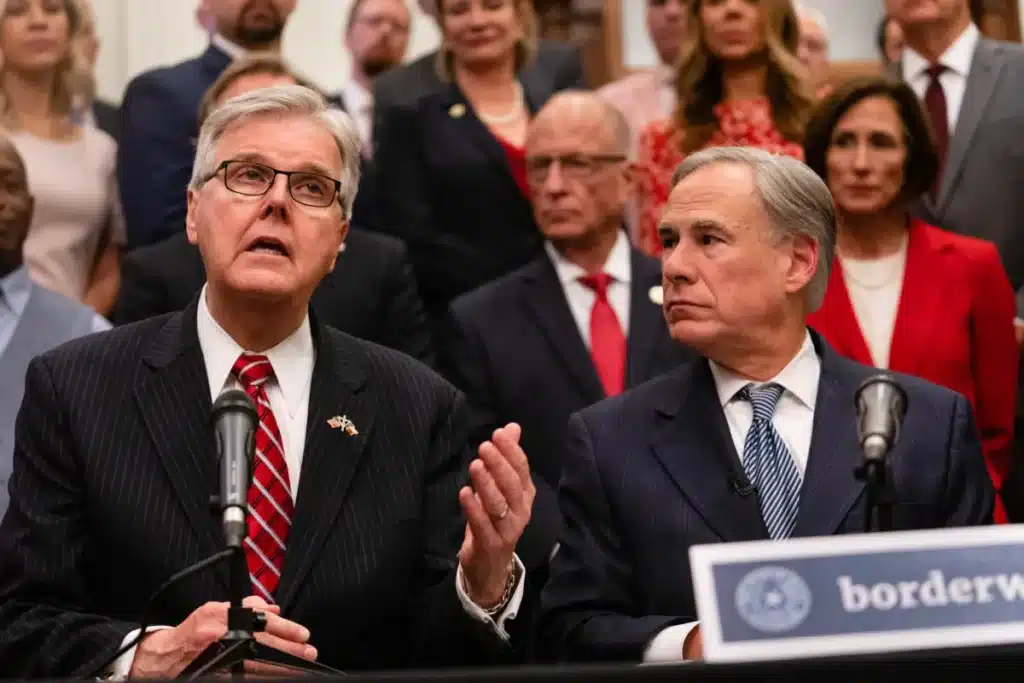
In December, the conversation escalated into a full policy showdown between Governor Greg Abbott and Lieutenant Governor Dan Patrick, two of the most influential voices shaping the state’s tax future.
Both leaders say they want relief for Texans. But their approaches couldn’t be more different:
- Patrick wants to expand exemptions through his “Double Nickel Plan”—a boost that increases homestead exemptions and lowers the age threshold for seniors.
- Abbott wants to eliminate school property taxes entirely, pushing for a long-term, statewide overhaul.
Each strategy comes with benefits, trade-offs, and major implications for homeowners, renters, school districts, and the Texas budget.
This article breaks down where each leader stands and what Texans should expect.
Dan Patrick’s Approach: Expand Exemptions, Don’t Eliminate Taxes
Lt. Governor Dan Patrick firmly believes Texas should expand exemptions, not erase school property taxes. His flagship idea is the “Double Nickel Plan.”
1. The Double Nickel Plan: Raising the Homestead Exemption Again
Patrick’s plan proposes:
- Raising the homestead exemption by another $40,000
- Increasing the total exemption from $100,000 (2023) to $140,000 or more
- Additional targeted exemptions for seniors and disabled Texans
This would immediately reduce the taxable value of eligible homes.
Patrick’s goal:
Lower bills now through exemptions rather than transforming the tax structure.
2. Lowering the Age for Senior Tax Relief
Part of the Double Nickel Plan includes:
- Lowering the age to qualify for senior exemption caps
- Extending benefits to more homeowners in the 55+ range
- Helping aging Texans stay in their homes longer
This aligns with Patrick’s long-standing stance that seniors need priority relief.
3. Why Patrick Opposes Eliminating School Taxes
Patrick argues that elimination is:
- Too expensive (requiring $17B–$20B annually in state funding)
- Too complex to restructure
- Too risky for school funding stability
Instead, he supports:
- Large exemptions
- Rate compression
- Incremental relief tied to state revenue growth
His message:
“Reduce taxes responsibly not recklessly.”
Greg Abbott’s Approach: Eliminate School Property Taxes Entirely
Governor Abbott’s December announcements doubled down on his long-term promise:
A complete end to school property taxes for every Texas homeowner.
1. Abbott’s Elimination Pledge
Abbott argues the state can replace school district M&O taxes through:
- Sales tax growth
- Economic expansion
- Spending limits
- Future budget surpluses
His goal is to create a Texas with zero school property taxes the biggest tax reform in the state’s history.
2. Long-Term Impact on Homeowners
If school property taxes were eliminated:
- A typical homeowner could save thousands annually
- Property tax bills would drop permanently
- Values could grow without raising school taxes
- School funding would rely heavily on the state budget
Abbott’s message:
“Property taxes don’t belong in Texas’ future.”
3. The Challenge: Replacing $17 Billion+ Every Year
Texas must find a stable source to replace:
- Over $17 billion in annual revenue
- Growing operating costs for 1,000+ school districts
- Constitutional requirements for equalized school finance
Critics warn this could strain long-term budgets.
Patrick vs. Abbott: Key Differences in One View
| Topic | Patrick (Exemptions) | Abbott (Elimination) |
|---|---|---|
| Core Strategy | Raise exemptions, expand senior relief | End school property taxes entirely |
| Cost | Lower cost to state | $17B+ annually |
| Speed | Immediate relief | Long-term overhaul |
| School Funding | Local + state mix remains | Mostly state-funded |
| Risk Level | Lower | Higher (budget volatility) |
| Who Benefits Most | Homesteaders, seniors | All homeowners permanently |
Both approaches offer relief but in very different ways.
How Homeowners Are Affected Right Now
Patrick’s Plan Helps By:
- Lowering taxable value immediately
- Offering more protection to seniors
- Reducing bills without drastic system changes
Abbott’s Plan Helps By:
- Promising the biggest long-term savings
- Targeting the largest portion of tax bills
- Offering future tax predictability
Bottom Line:
Patrick’s plan is short-term and incremental.
Abbott’s plan is long-term and transformative.
What to Expect in 2025
The next legislative session will determine:
- Whether exemptions are expanded again
- Whether elimination proposals move forward
- How much the state can afford in tax compression
- What school districts say about funding
- Whether voters will see new amendments on the ballot
Expect this to be one of the biggest tax debates of 2025.
TexasPVP will monitor every step.
Conclusion
The December Abbott-Patrick showdown highlights a fundamental divide in Texas tax policy:
- Patrick wants targeted, immediate relief through exemptions
- Abbott wants a long-term structural overhaul that eliminates school taxes entirely
Both leaders aim to help Texans but with two very different roadmaps.
As the 2025 session approaches, Texans should watch closely. Any change could reshape tax bills, school funding, and homeowner budgets for decades.
TexasPVP will continue providing clear, accessible updates so homeowners stay informed and prepared.