
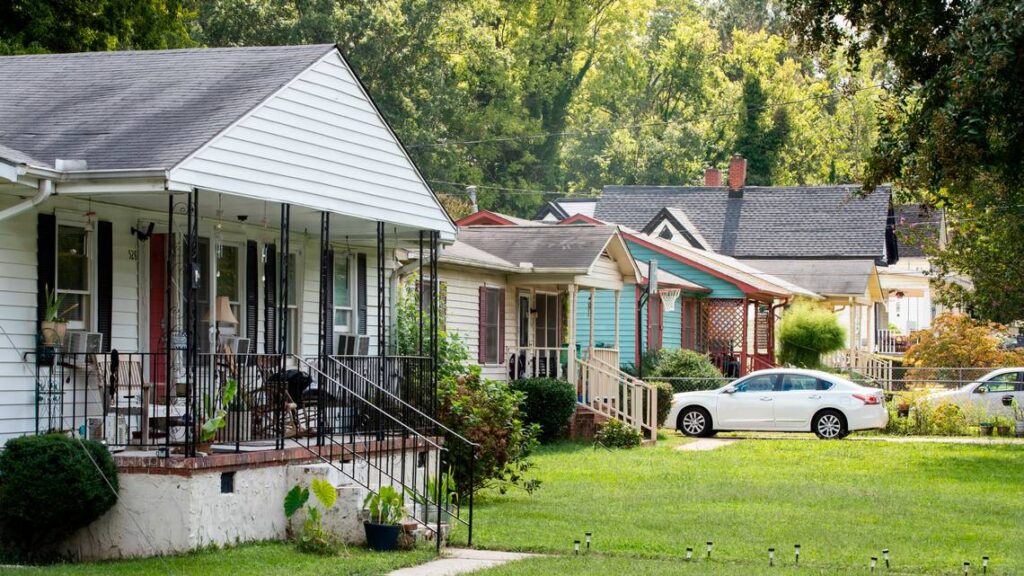
When it comes to property taxes in Texas, most homeowners focus on size, location, or renovations, but the age of your home also plays a significant role in how it’s appraised. Understanding the Texas home appraisal age factor is crucial. While newer homes may command higher values due to modern amenities and materials, older homes can see their values fluctuate based on condition, historical character, and market trends.
At TexasPVP, we work with homeowners across Texas who are surprised to learn how much their home’s age influences its tax value. Understanding the Texas home appraisal age dynamic can help you build a stronger protest case and avoid overpaying due to outdated assumptions.
Why Age Matters in Property Appraisals
County appraisal districts (CADs) are required to estimate a home’s market value each year. That means they must evaluate what your home would likely sell for based on:
- Construction quality
- Size and layout
- Neighborhood comps
- Condition
- Age of the property
While age alone doesn’t dictate value, it does signal how much useful life is left in major systems (roof, HVAC, plumbing), and how the home compares to others in the area. The Texas home appraisal age is therefore quite essential.
Older Homes: Depreciation vs. Character
Older homes can see depreciation in value due to:
- Outdated layouts
- Aging foundations or roofs
- Less energy-efficient systems
- Required maintenance or repairs
However, if your home is well-maintained or located in a desirable historic neighborhood, it might actually retain or gain value due to its character and craftsmanship especially in markets like Austin, San Antonio, or Fort Worth where vintage architecture is in demand.
In short, age alone doesn’t equal lower value condition and context matter.
How Texas Appraisal Districts Use Age in Their Models
CADs in Texas often use mass appraisal models that rely on formulas. These models assign different values based on “effective age,” which considers both actual age and physical condition.
For example, the Texas home appraisal age is addressed here:
- A 1980s home with modern updates and excellent upkeep may be treated like a newer home.
- A 2010 home with deferred maintenance could be downgraded based on poor condition.
That’s why it’s critical to review how your property was appraised and whether the district accurately accounted for its true condition and improvements (or lack thereof).
When Age Hurts You And How to Fight It
Sometimes, the appraisal district might overvalue an older home by assuming it’s in better shape than it is. Or, they might compare it to newer homes in your area that have more amenities and upgrades.
This is where a property tax protest can help.
At TexasPVP, we help clients:
- Document wear and tear, deferred maintenance, or aging infrastructure
- Provide photos, contractor estimates, or inspection reports
- Compare your home to truly similar properties based on age and condition
- Ensure the CAD uses realistic depreciation values in their model
By proving that your older home shouldn’t be appraised like a newer or renovated property, we can often reduce your assessed value — and your tax bill.
When Age Might Help You and You Still Need to Be Strategic
In some areas, especially where inventory is tight or buyers are drawn to charm, older homes may hold higher value but you should still watch for overappraisal.
Even if your home is desirable, you shouldn’t be compared to newer luxury builds or remodeled flips unless your property has received similar upgrades.
At TexasPVP, we ensure appraisal districts are using appropriate comparables, not just homes that happen to be nearby.
Tips for Homeowners of Older Properties
- Inspect and document condition yearly – Photos and reports help build your case.
- Compare apples to apples – Don’t let the CAD compare your 1950s home to a 2020 build.
- Watch for “effective age” errors – Just because it looks old doesn’t mean it’s worthless, and vice versa.
- File your protest annually – Even minor inconsistencies can cause big tax jumps.
Final Thoughts: Don’t Let Your Home’s Age Be Used Against You
Whether your home is five years old or fifty, the appraisal should reflect its real market value not an unfair assumption. TexasPVP helps ensure your property is assessed based on facts, not generic formulas that don’t apply to your unique situation.
If you think your older home was overvalued this year, contact TexasPVP. We’ll help you gather the right evidence and fight for a fair appraisal because age shouldn’t mean you’re overpaying in Texas home appraisal age calculations.