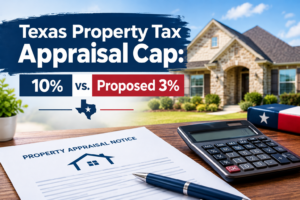

Over the years, Texas lawmakers have introduced various property tax reform bills aimed at controlling rising tax burdens. From caps on local government revenue growth to increased transparency measures, these reforms sound promising but for most property owners, the reality hasn’t changed much.
Despite headline-grabbing announcements about relief, many Texans still open their appraisal notices to find higher values and growing tax bills. So, what’s really going on? Why haven’t these reforms fixed the root problem?
At TexasPVP, we believe it’s critical for property owners homeowners, investors, and business owners to understand where reform helps, where it falls short, and how to protect yourself in the meantime.
A Quick Recap of Property Tax Reform in Texas
Texas doesn’t have a state income tax, which means local governments rely heavily on property taxes to fund schools, infrastructure, emergency services, and more. This creates pressure to keep valuations and revenue streams high even when reforms aim to limit them.
Some of the recent key reforms include:
- Senate Bill 2 (2019): Capped revenue growth for cities and counties at 3.5% (formerly 8%) without voter approval.
- Appraisal process transparency: Required local appraisal districts to offer more accessible online tools and explanations for how values are set.
- Increased homestead exemptions: Some measures raised the amount of a home’s value exempt from taxation.
While these changes offer technical relief, they don’t address the heart of the issue: the rising appraised values themselves and a system that often lags behind economic reality or favors fast-growing areas.
The Real Issue: Runaway Valuations
Texas property taxes are based on the market value of your property, as determined by your county appraisal district (CAD). That value is supposed to reflect what your property would sell for but during hot real estate markets, CADs often raise values aggressively to keep up with sales data.
What’s worse? Even when the market cools, many districts don’t reduce values quickly leaving owners with inflated bills and limited recourse unless they file a protest.
Reforms haven’t changed how appraisals are calculated, and that’s where most of the pain lie
Tax Rates vs. Appraised Values
Many local officials claim they’re offering tax relief by lowering tax rates but that often doesn’t lead to lower bills.
Why? Because when appraised values rise, even a lower rate can result in a higher total tax due.
For example:
- A 10% increase in value with a 2% rate cut may still leave you paying more.
- Commercial properties that generate income may be taxed based on speculative future income, not actual performance.
The system still rewards growing values, which makes true tax relief elusive especially for commercial property owners, landlords, and investors.
Why the Burden Falls on Property Owners
Unlike states with broad-based taxes, Texas places a disproportionate load on property owner and particularly on commercial real estate and investment properties. That’s because:
- There’s no cap on how much a commercial property’s value can increase year to year.
- Investors don’t get homestead exemptions or tax freezes.
- Local governments need stable funding and property owners make up the bulk of the tax base.
Until the system addresses valuation fairness and over-reliance on property tax revenue, reforms will only offer short-term relief.
What Can Property Owners Do?
Even if state reforms haven’t fixed the core issue, you still have tools to fight back:
1. File a Property Tax Protest Every Year
This is your legal right and it’s the most direct way to challenge inflated appraisals.
2. Know Your Market
Compare your property’s value to similar properties. TexasPVP helps you gather comparables and valuation data to make a strong case.
3. Watch for “Unequal Appraisal” Opportunities
If your property is valued higher than similar nearby ones, you can file an “Equal and Uniform” protest a little-known but powerful option.
4. Work with a Trusted Partner
At TexasPVP, we handle the entire protest process for you from evidence gathering to hearings so you don’t overpay just because the system is slow to adjust.
Will Future Reform Fix the Problem?
There’s ongoing talk at the Texas Capitol about further reforms such as tightening caps, increasing exemptions, or even creating a state-level appraisal oversight board.
But meaningful change takes time. Until then, property owners need to stay proactive, informed, and ready to challenge unfair valuations.
Final Takeaway: Real Relief Starts With Action
Reform may come slowly, but your protest rights are available now. Don’t wait for the Legislature to fix what you can fight on your own this year.
If your appraised value feels too high, TexasPVP is here to help you take action with the data, experience, and insight needed to succeed.
Contact us today to start your protest. Your wallet will thank you.