
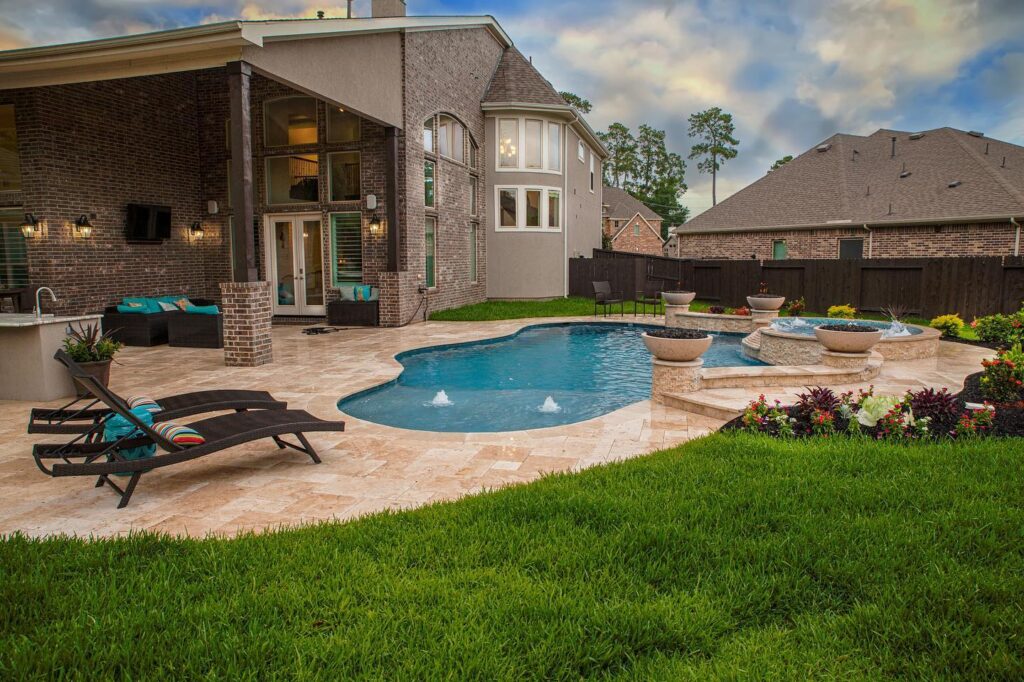
For many Texas homeowners, adding a swimming pool is more than just a luxury; it’s a lifestyle upgrade. However, when considering a swimming pool, it’s crucial to understand how it may affect your property tax swimming pool. But before you dive into construction, it’s important to understand how that shiny new pool might impact something less exciting: your property taxes.
At TexasPVP, we’ve helped homeowners navigate the hidden tax consequences of popular improvements like pools, decks, and outdoor kitchens. Here’s what you need to know about property tax when you include a swimming pool before you start building.
How Property Taxes Are Calculated in Texas
In Texas, property taxes are based on the assessed value of your home as determined by your local appraisal district. The more valuable your property is including upgrades like swimming pools, the higher your tax bill is likely to be.
Each January 1, the appraisal district estimates your home’s market value, which includes permanent improvements. If you add a pool before this date, the property tax swimming pool may be included in that year’s valuation.
Does Adding a Pool Automatically Raise Your Taxes?
Yes, in most cases. A permanent, in-ground pool is considered a taxable improvement, as part of your home’s structure included in the calculation of your property tax swimming pool.
Depending on the size, quality, and features of your pool, it could raise your property’s market value by $10,000 to $50,000 or more which means your property taxes will increase as well.
Will Above-Ground Pools Affect My Taxes?
Above-ground pools typically do not affect property taxes in the same way, especially if they are not considered permanent fixtures. If the pool is movable and not tied into the property’s plumbing or permanent structure, appraisal districts may not include it in your assessed value related to property tax swimming pool.
Still, it’s a good idea to check with your local appraisal district or work with a protest consultant like TexasPVP to be sure.
Other Improvements That Can Raise Your Valuation
In addition to pools, you might see higher appraisals for:
- Outdoor kitchens or patios with plumbing/electric
- Detached garages or sheds with foundations
- New fencing, landscaping, or driveways
- Room additions or major remodels
Many of these are considered capital improvements and become taxable once completed.
Can You Protest the Increased Value?
Yes, and you should if the value added to your appraisal seems excessive. Sometimes appraisal districts overestimate how much a pool or other improvement has added to your property’s worth.
At TexasPVP, we’ve helped homeowners protest valuations that jumped too high after a renovation or addition. We compare:
- Market data for similar homes without pools
- The actual cost of the improvement
- Photos and condition reports if needed
Even with a pool, your home’s new valuation must be fair and accurate under property tax.
How to Limit the Tax Impact of a Pool
While you can’t entirely avoid a value increase from a new pool, here are some ways to manage the tax consequences:
- Time construction wisely: If you build after January 1, the improvement might not be assessed until the following year.
- Keep records of cost: Actual receipts and invoices can help challenge an inflated value.
- Request an informal review: If your valuation jumps, you may get it lowered before the formal protest.
- Use a consultant: TexasPVP can analyze your case and represent you if the district gets it wrong.
Is It Still Worth Building a Pool?
That depends on your priorities. A pool can:
- Increase your property value and appeal
- Provide enjoyment and health benefits
- Be a smart investment in certain markets
But it’s important to budget for the increased tax costs along with maintenance, insurance, and repairs. If you plan to stay in your home long-term, the benefits may outweigh the tax bump.
Final Thought: Know Before You Build
Adding a pool is exciting but it’s also a major change to your property’s profile. Before you dig, consider how it might affect your next appraisal notice and your property tax swimming pool based on your new pool. With TexasPVP on your side, you can make informed choices and fight inflated assessments when necessary.
Thinking of building a pool? Let TexasPVP review your property’s tax history and help you prepare for what’s next.