Energy efficiency upgrades are becoming increasingly popular among Texas property owners looking to reduce utility costs. They aim to increase home comfort and boost property value. But what many don’t realize is that these upgrades, from solar panels to smart thermostats, can also impact how your property is appraised. This involves taxation in terms of energy efficiency property taxes.
At TexasPVP, we help homeowners and investors understand how property improvements affect tax assessments with energy efficiency in mind. We also guide on how to protest overvaluations when needed. Let’s explore how energy upgrades play into the property tax equation.
What Counts as an Energy Efficiency Upgrade?
Common energy-efficient upgrades that might influence your property’s assessed value include:
- Solar panels (PV systems)
- Energy-efficient windows and doors
- High-efficiency HVAC systems
- Spray foam or radiant barrier insulation
- Smart thermostats and home automation
- Tankless water heaters
- Cool roofing or upgraded ventilation
These improvements often add long-term value. However, they may also increase your appraisal depending on how your local appraisal district views them. This is in terms of tax efficiency.
Will Energy Upgrades Increase My Property Taxes?
The answer is: it depends. In Texas, appraisal districts evaluate the market value of your property, which includes permanent improvements. These can raise your home’s worth and might affect your energy efficiency tax liabilities. However, not all upgrades are treated equally. Many energy-efficient improvements fall into a gray area.
Solar Panels
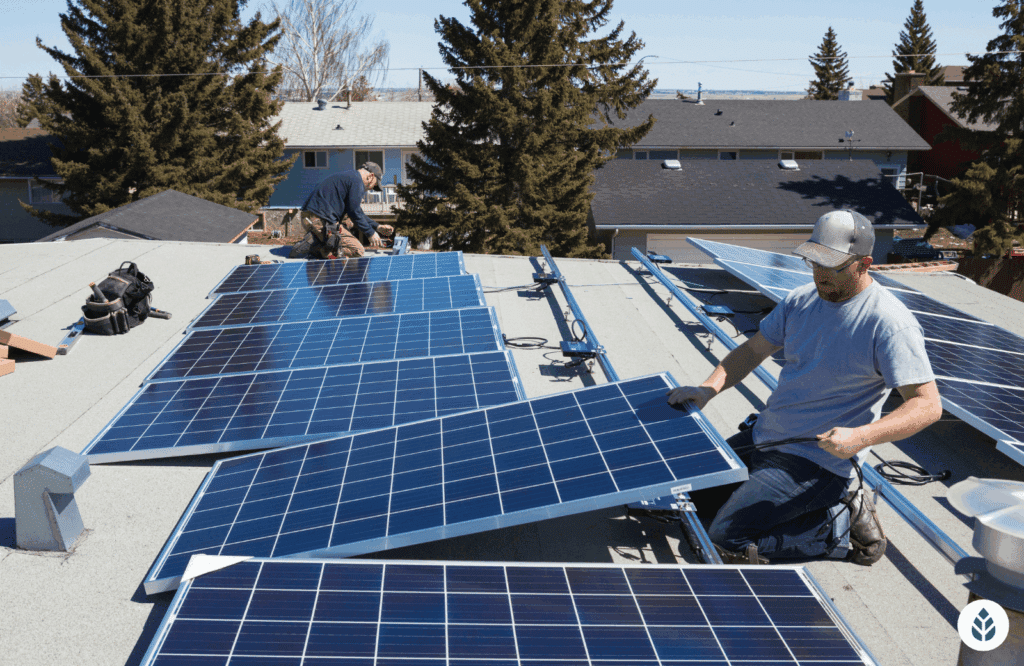
Solar installations are the most likely to impact property value. They can raise your home’s market appeal and resale price. However, Texas law (Tax Code §11.27) provides a solar exemption for residential properties. This means the added value from a solar system cannot increase your taxable value if filed properly. It balances energy efficiency with tax concerns.
Insulation, HVAC, and Smart Systems
Most energy upgrades inside the home, like new HVAC units or insulation, are considered maintenance or quality improvements. These may lead to a slight increase in your assessed value. This is especially true if they’re part of a major renovation affecting your energy efficiency tax status.
Smart Tech and Automation
Smart thermostats or minor home automation upgrades typically do not significantly impact property tax valuations. This may change unless installed as part of a larger remodeling project. Such projects could impact your energy efficiency property taxes.
Exemptions and Protections Available
Texas encourages energy efficiency and renewable energy use by offering property tax protections in some cases. Two common options:
- Solar Energy Exemption
If you install solar, you may qualify for a 100% exemption on the increase in value due to the system. You must apply with your appraisal district to manage your energy efficiency property tax effectively. - Historic or Green Certifications
Some homes with specific environmental or historic designations may qualify for partial tax relief. This depends on local policy, which could impact your energy efficiency property taxes.
TexasPVP can help you verify whether you’re eligible for exemptions and ensure the appraisal district applies them correctly.
Can I Protest a Valuation After an Upgrade?
Yes and you should if the appraisal district overestimates the value added by your upgrades. This is especially true if your energy efficiency improvements are influencing property taxes unfairly.
For example, if your new windows were valued at $20,000 in additional property value but only cost $7,000, this could be grounds for a protest. They might offer minimal resale value in comparison.
At TexasPVP, we build strong protest cases using:
- Contractor invoices and actual improvement costs
- Sales comparisons from similar homes without upgrades
- Market data and photos
When to Review Your Assessment After Upgrades
We recommend reviewing your appraisal every year, but especially after:
- A major home improvement
- Solar panel installation
- A full HVAC or energy remodel
- Applying for an exemption that’s not reflected on your notice, which could help in managing energy efficiency and property taxes.
Final Thoughts: Save Energy, But Stay Tax Smart
Upgrading your property for energy efficiency is a wise move. It benefits the environment, your wallet, and your long-term investment. But these improvements can affect your tax assessment in subtle ways. Not all benefits are automatic, especially concerning energy efficiency property tax implications.
If you think your energy upgrades have caused your property to be overvalued or you aren’t receiving the exemptions you deserve, TexasPVP is here to help.
Let us review your assessment, file the right paperwork, and fight for a fair valuation. This way, you can keep more of your energy savings in your pocket.