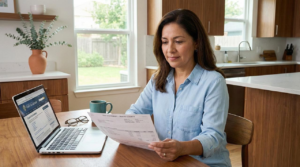

Why Are School Taxes Such a Big Part of Your Property Tax Bill?
For many Texas homeowners, the school district portion is one of the largest parts of the annual property tax bill.
That’s because local school districts rely heavily on property taxes to help fund public education. The state also provides funding, but local property taxes remain an important source of school funding.
Understanding this portion of your bill can help you see why changes to school tax rates can have a noticeable impact.
Where Do Your Property Taxes Go?
Your property tax bill is usually made up of taxes from several local entities, such as:
- School districts
- Cities
- Counties
- Special districts
The exact breakdown depends on where your property is located.
For many homeowners, the school district tax is a significant portion of the total.
How Are School Property Taxes Calculated?
The basic calculation is:
Taxable Value × School District Tax Rate = School District Tax
For example, if a property has a taxable value of $300,000 and the school district tax rate is 1%, the school district portion would be about $3,000 before considering applicable exemptions or other adjustments.
This is why both your property value and tax rate matter.
Why Are Texas Leaders Focusing on School Tax Rates?
Texas has been using measures such as school tax rate compression as part of broader property tax relief efforts.
The idea is to reduce certain school district tax rates while providing additional state funding to help make up the difference.
For homeowners, a lower school tax rate can mean savings. However, the amount you actually save depends on your property’s taxable value and the other taxes on your bill.
Does Lowering School Taxes Mean Your Entire Bill Will Drop?
Not necessarily.
Your total property tax bill includes more than school taxes. City, county, and other local taxes can also affect what you owe.
Your property value can also change from year to year.
So even if the school tax rate decreases, your total bill could remain similar or even increase if other taxes or your taxable value rise.
Why Your Property Value Still Matters
Tax rate reductions don’t automatically correct an overvalued property.
If your property is assessed at a value higher than it should be, you could still be paying more than necessary.
That’s why homeowners should look at both sides of the equation:
Tax rate + property value = important parts of your tax bill.
What Should Homeowners Watch?
When reviewing your property taxes, pay attention to:
✔ Your appraised value
✔ Your taxable value after exemptions
✔ Your school district tax rate
✔ City and county tax rates
✔ Any changes to your exemptions
Understanding these numbers can make it easier to see what is actually causing your bill to change.
Final Thoughts
School property taxes are a major part of the Texas property tax conversation because they can represent a significant portion of what homeowners pay.
Tax rate reductions can provide relief, but they don’t eliminate the importance of your property’s taxable value.
Knowing how your bill is calculated is the first step toward understanding whether you’re paying a fair amount.