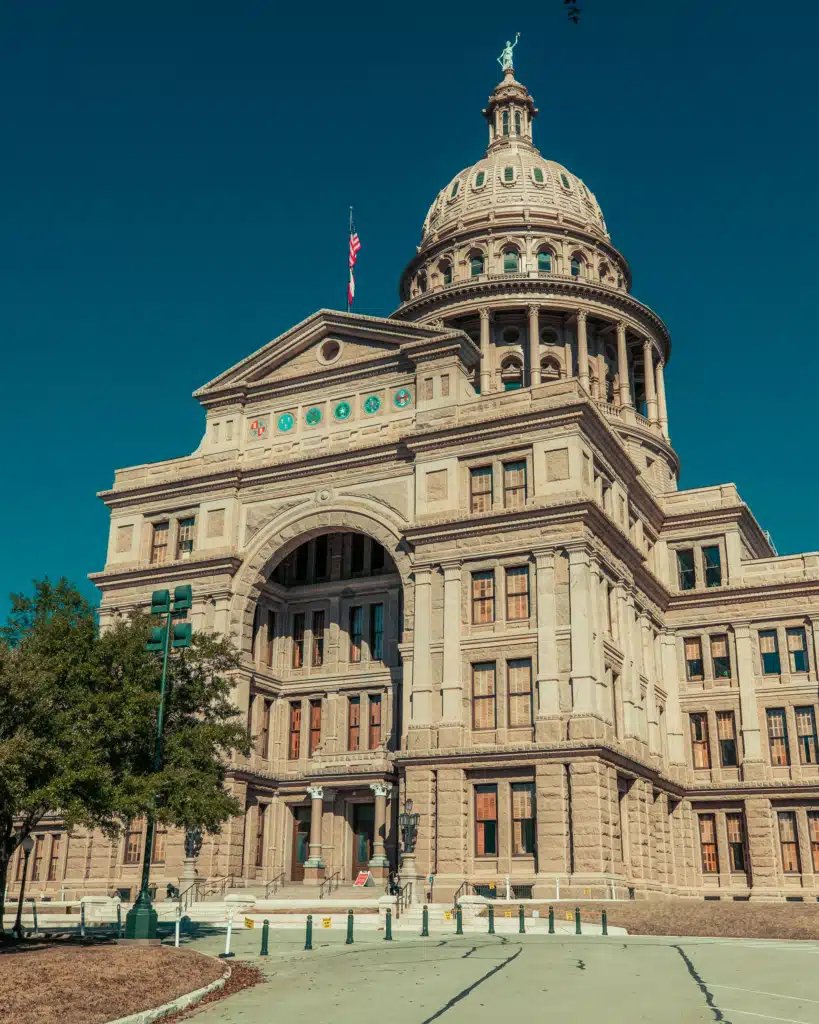
Texas cities are facing growing pressure to control spending and limit property tax revenue as state leaders continue pushing for property tax relief.
The challenge is that cities still need to pay for essential services such as police, fire protection, roads, infrastructure, and public safety.
So the debate comes down to a difficult question:
How can cities provide necessary services while keeping property taxes affordable?
Why Are Cities Under Pressure?
Property taxes have become one of the biggest financial concerns for Texas homeowners.
As property values increased in many parts of the state, homeowners have seen their tax bills rise. State lawmakers have responded with measures aimed at providing relief and limiting how quickly local property tax revenue can grow.
This has put more pressure on cities to examine their budgets and spending.
What Does “Cut Spending” Mean?
When a city is asked to control spending, it doesn’t necessarily mean eliminating services.
It could mean looking for ways to:
- Reduce unnecessary expenses
- Delay certain projects
- Find operating efficiencies
- Review contracts and programs
- Prioritize essential services
- Look for other sources of revenue
The goal is to balance the city’s budget while limiting the burden on taxpayers.
Why Not Just Lower the Property Tax Rate?
This sounds simple, but local governments have expenses that don’t disappear when tax rates are reduced.
Cities need revenue for things such as:
🚓 Police
🚒 Fire protection
🛣️ Roads and infrastructure
🌳 Parks and public spaces
💧 Water and other services
🏛️ City operations
If property tax revenue is reduced significantly, the city may have to find another way to pay for those services or reduce spending.
What Happens When Property Values Increase?
Here’s where things can get confusing.
A city can sometimes collect more property tax revenue even without increasing its tax rate if the taxable value of property within the city increases.
For example:
Property values rise → Tax base grows → Potentially more local revenue
That’s why Texas uses concepts such as the no-new-revenue tax rate to help taxpayers understand how proposed tax rates compare with the previous year’s revenue.
Why the Tax Rate Isn’t the Whole Story
Homeowners often look at their tax rate first.
But your property tax bill is affected by both:
Taxable value + tax rate
And your total bill can include taxes from multiple taxing entities:
🏫 School district
🏛️ County
🏙️ City
🚒 Special districts
So even if a city lowers its rate, your total property tax bill may not fall by the same amount.
Could Cities Raise Other Fees Instead?
This is another issue worth watching.
If property tax revenue becomes more restricted, cities may examine other sources of revenue, including fees and charges for certain services.
That doesn’t automatically mean homeowners will pay more elsewhere, but it is one reason the entire local budget matters when discussing property tax cuts.
What Does This Mean for Homeowners?
For homeowners, the pressure on cities could have both positive and negative effects.
Potential benefit:
Lower property tax rates or slower revenue growth could help reduce the tax burden.
Potential concern:
If revenue falls too quickly, cities may have to reduce spending, delay projects, or find other ways to fund services.
That’s why the discussion isn’t simply:
“Taxes should be lower.”
The bigger question is:
“How do we provide essential services while keeping taxes affordable?”
What Should Homeowners Watch?
When your city proposes its budget or tax rate, look beyond the headline.
Check:
✔ Proposed tax rate
✔ No-new-revenue tax rate
✔ City budget
✔ Changes in taxable property values
✔ Major spending increases or cuts
✔ Public hearings
✔ Other taxes and fees
This gives you a much clearer picture of what’s happening with your local property taxes.
The Bottom Line
Texas cities are under increasing pressure to control spending and property tax revenue, but they also have to fund essential services.
For homeowners, the important thing is to understand that a property tax rate is only one piece of the puzzle.
Watch the rate. Watch the value. And watch how your local government is spending the money.