
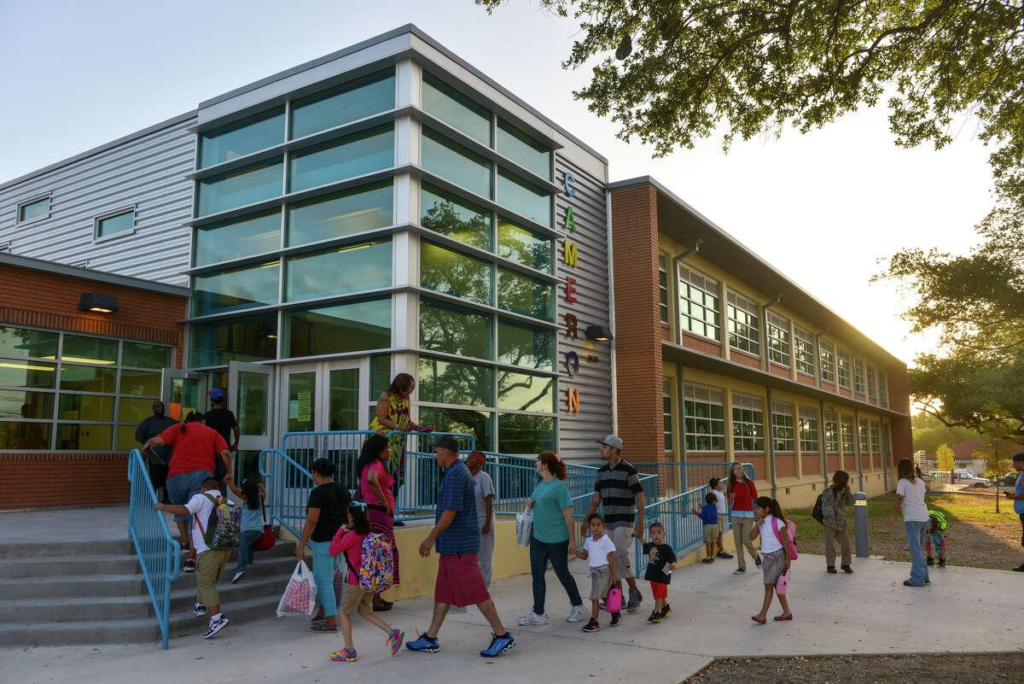
School funding is an important issue for families and homeowners across Texas. Every year, school districts must find ways to pay for teachers, classrooms, student programs, and building maintenance.
In some areas, districts ask voters to approve a higher property tax rate. These requests can lead to heated discussions because homeowners want good schools but also want to manage their property tax bills.
Recent school district tax elections in Central Texas and the San Antonio area have brought this issue into focus.
But why do school districts ask for higher tax rates? Why do some voters reject these proposals? And what happens after an election?
Understanding Texas school district tax elections can help homeowners see how these decisions affect school funding and local property taxes.
Why Do Texas School Districts Ask for Higher Tax Rates?
School districts depend on several sources of funding. These include state money, local property taxes, and federal funds.
However, some districts say their current revenue is not enough to meet growing expenses.
Here are some common reasons a district may seek voter approval for a higher tax rate.
1. Rising School Costs
Running a school district costs money. Districts must pay for teachers, support staff, school supplies, utilities, transportation, and building repairs.
These costs can rise over time. When expenses increase faster than available funding, districts may look for more revenue.
2. Teacher and Staff Salaries
School districts need qualified teachers and other workers to support students.
Higher salaries can help districts attract and retain staff. However, salary increases also add to annual operating costs.
Some districts may seek additional funding to improve employee pay and reduce staff shortages.
3. Growing Student Enrollment
Some Texas communities are growing quickly. As more families move into an area, school districts may need more classrooms, teachers, buses, and student services.
A district with rising enrollment may face pressure to expand its operations.
4. State Funding Challenges
Texas public schools receive funding from both the state and local sources.
However, changes in enrollment, property values, and state funding formulas can affect how much money a district receives.
Some districts argue that their available funding has not kept pace with the cost of providing education.
A higher tax rate may be one option they consider to address a budget gap.
What Is a Voter-Approved Tax Ratification Election?
A Voter-Approval Tax Rate Election, also called a VATRE, gives voters a chance to approve or reject certain school district tax rate increases.
When a school district proposes a tax rate above the voter-approval limit, it may need to hold an election.
If voters approve the proposal, the district can adopt the proposed rate, subject to applicable law.
If voters reject it, the district cannot move forward with that proposed rate through the failed election.
It is important to understand that not every school district tax rate change requires an election. Texas law sets rules for when voter approval is required.
Why Might Voters Reject School Tax Proposals?
Not every homeowner views a proposed tax increase in the same way.
Some residents support additional school funding. Others worry about the effect on their household budgets.
Possible concerns include:
- Higher property tax bills: Homeowners may worry that an increased rate will make housing more expensive.
- Household expenses: Families already dealing with higher food, insurance, and utility costs may not want another expense.
- Questions about spending: Some voters may want more details about how the district plans to use the additional money.
- Trust in local leadership: Residents may want clear budget information before approving a tax increase.
- Different funding priorities: Some voters may believe the district should review its current spending before asking for more revenue.
These are common concerns that can arise during tax elections. They should not be treated as confirmed reasons for a particular election result unless reliable reporting or official information supports them.
What Can Happen When Voters Reject a School Tax Increase?
When voters reject a proposed tax rate increase, the school district must work with the revenue available under the applicable tax rules.
This may create difficult budget decisions.
For example, the district may consider:
- Reviewing its operating budget.
- Delaying some planned improvements.
- Reducing or changing certain expenses.
- Looking for other available funding sources.
- Reviewing staffing and future salary plans.
The exact response depends on the district’s financial position and the purpose of the proposed increase.
A failed tax election does not automatically mean schools will close, teachers will lose their jobs, or student programs will end. District leaders must review their options before making those decisions.
How Could School Tax Elections Affect Homeowners?
School district tax rates are one part of a homeowner’s total property tax bill.
When a district receives approval for a higher tax rate, the change may increase the school district portion of the bill.
The actual amount depends on the property’s taxable value, available exemptions, and the adopted tax rate.
For example, two homeowners in the same school district may not pay the same amount because their taxable values and exemptions may differ.
If voters reject a proposed increase, that does not guarantee that every homeowner’s total property tax bill will decrease.
Other taxing units, such as cities, counties, and special districts, set their own tax rates. Changes in property values can also affect the final bill.
What Should Homeowners Check Before Voting?
Before voting in a school district tax election, homeowners should take time to understand the proposal.
Here are five things worth checking:
- The proposed tax rate: Find out how the proposed rate compares with the current rate.
- The estimated tax impact: Review how the change could affect properties in the district.
- The purpose of the increase: Check whether the money will support salaries, classroom needs, student programs, or other expenses.
- The district’s budget: Read the district’s financial information and proposed spending plans.
- The election results: Check official results to understand whether the proposal passed or failed.
Homeowners can find election notices, tax rate information, and budget details on their school district’s official website. County election offices also publish election information and results.
Final Thoughts
Texas school district tax elections can shape how local schools pay for education and manage their budgets.
A higher tax rate may provide additional money for school operations, but it can also increase the tax burden on property owners.
When voters reject a proposal, school leaders may need to review their budgets and adjust their plans.
For homeowners in Central Texas, San Antonio, and other parts of the state, understanding these elections is important.
Before voting, review the proposed rate, the reason for the increase, and its possible effect on your property taxes. An informed decision starts with knowing how the proposal could affect both your household and your local schools.