
Property taxes help pay for many public services in Texas. These include public schools, police and fire departments, mental health programs, and road repairs.
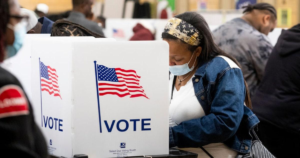
However, what happens when voters reject a proposed property tax increase?
Local governments may have to review their budgets and find other ways to pay for important services. This can create difficult choices for local leaders and residents.
Understanding how Texas local property taxes support public services can help homeowners see what is at stake when they vote on tax proposals.
How Do Texas Local Property Taxes Pay for Public Services?
Property taxes are an important source of funding for local governments in Texas. Cities, counties, school districts, and other local taxing units collect property taxes to help pay for their responsibilities.
Here are some examples of services that receive public funding.
1. Public Schools
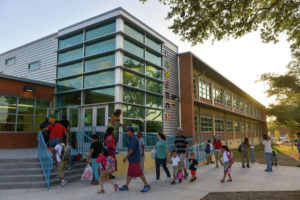
Local property taxes help support public school districts across Texas.
Schools use this funding for teacher salaries, classroom supplies, building maintenance, transportation, and other daily expenses.
However, property taxes are not the only source of school funding. Texas also provides state funding to public schools.
When voters reject a proposed school tax increase, the district may have less money than it planned to collect. School leaders may then need to review spending or consider other funding options.
2. Police and Fire Departments
Cities and some counties use property tax revenue to support public safety.
This funding helps pay for police officers, firefighters, emergency equipment, vehicles, training, and building maintenance.
If a local government cannot collect a proposed increase, it may need to adjust its budget. Depending on its financial position, this could affect future hiring, equipment purchases, or other planned improvements.
However, a rejected tax increase does not automatically mean police or fire services will stop.
3. Mental Health and Community Programs
Some local governments help fund mental health services, homelessness support, and other community programs.
These services may provide treatment, emergency assistance, housing support, and help for people in need.
When voters reject a proposed tax increase intended to support these programs, local leaders may need to look for other funding sources.
They may also review spending priorities. This can make it harder to expand services or meet growing community needs.
4. Roads, Bridges, and Other Infrastructure
Property taxes can also support local infrastructure.
Cities and counties use public funds to maintain roads, repair drainage systems, improve public buildings, and support other local projects.
When a proposed increase fails, some projects may face delays or changes.
For example, a county may need to postpone a planned road improvement while it reviews its available funds.
It is important to remember that some major construction projects use separate bond funding. Bond elections and property tax rate elections are not the same.
What Happens When Voters Reject a Property Tax Increase?
A rejected tax proposal does not mean local governments lose all their property tax revenue.
Instead, it means the proposed increase cannot move forward as presented through that election.
Local leaders must then work with the revenue they can legally collect and the money already available in their budgets.
They may consider several options:
- Review the budget: Officials may reduce or delay some planned expenses.
- Use other available revenue: Cities and counties may review sales tax revenue, fees, grants, or other funding sources.
- Delay projects: Some road repairs, building upgrades, or community projects may move to a later date.
- Adjust service plans: Local leaders may change how certain services are delivered.
- Return to voters: Officials may consider presenting a revised proposal if the law allows it.
Each community is different. The result depends on its budget, financial needs, and the type of tax proposal voters rejected.
Who Pays When Local Services Need More Money?
This is one of the biggest questions facing Texas communities.
If voters reject a proposed tax increase, the need for public services does not disappear.
Schools still need teachers. Police departments still need officers. Roads still need repairs. Families may still need mental health and community support.
Local governments must decide how to manage these needs with the funds available.
In some cases, residents may notice fewer services or slower improvements. In other cases, officials may find enough money through existing revenue or budget changes.
There is no single answer for every Texas city or county.
Do Rejected Tax Increases Lower Everyone’s Property Tax Bills?
Not necessarily.
Rejecting a proposed tax increase does not automatically lower every homeowner’s property tax bill.
A property tax bill depends on several factors, including:
- The property’s taxable value.
- Available exemptions.
- The tax rates set by local taxing units.
- Any changes made by the city, county, school district, or other local authorities.
For example, a homeowner may still see a higher bill if the property’s taxable value increases or another taxing unit changes its rate.
That is why homeowners should review their property tax statements instead of assuming that a failed tax proposal means their total bill will decrease.
What Should Texas Homeowners Watch Before Voting?
Before voting on a local tax proposal, homeowners should understand what the increase would fund and how much it could cost them.
Here are a few important questions to ask:
- What services will receive the money? Check whether the proposal supports schools, public safety, mental health, or infrastructure.
- How much could it cost? Look for the estimated tax impact on properties in your area.
- Is the increase temporary or ongoing? Some proposals support long-term costs, while others may fund specific projects.
- Are other funding options available? Find out whether grants, existing revenue, or budget changes could help.
- What happens if the proposal fails? Ask local officials which services or projects may be affected.
You can find election details, proposed tax rates, and budget information through your local county, city, or school district website.
Final Thoughts
Texas local property taxes play an important role in funding public services. These services affect homeowners, families, businesses, and entire communities.
When voters reject a proposed tax increase, local governments must decide how to manage their budgets without that additional revenue.
The decision may affect future projects, spending plans, or service improvements. However, it does not mean all public services will automatically stop.
For Texas homeowners, the best step is to understand what each proposal means before voting. Knowing how tax revenue is used can help residents make informed decisions about their property taxes and local communities.